
commercial property value

10 Ways You Can Increase Your Commercial Property’s Value

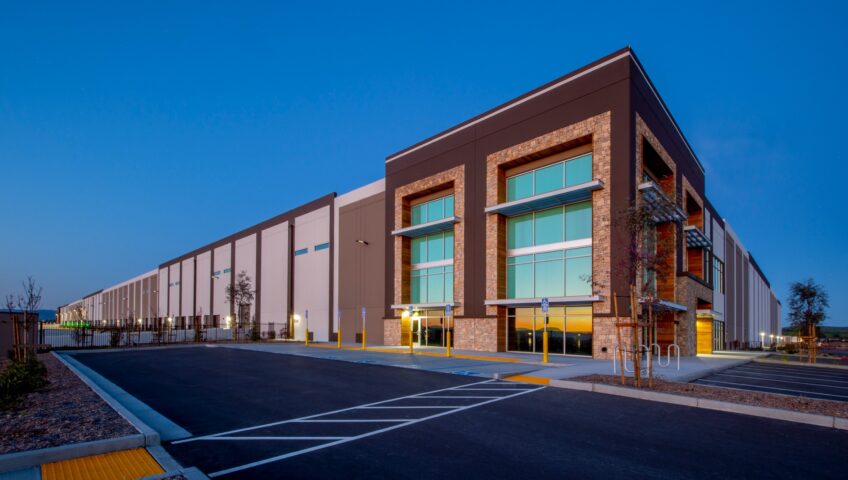
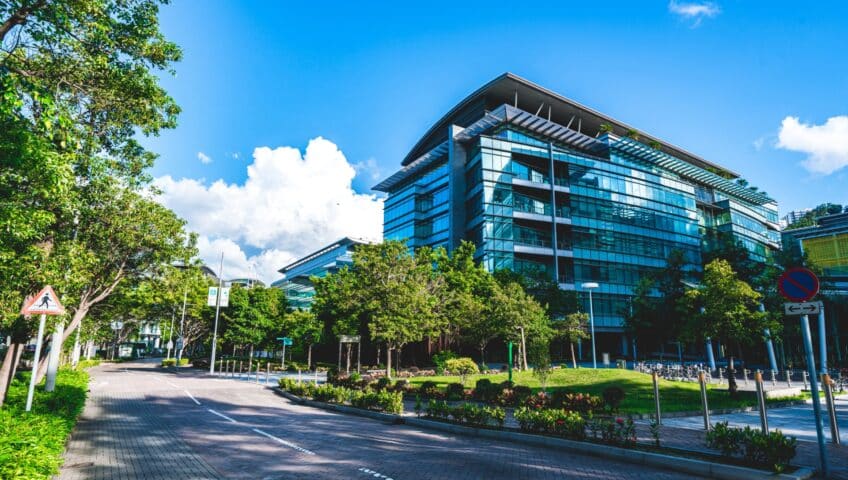
If you own a commercial property, you’re likely looking for ways to maximize its value and increase your return on investment. Fortunately, there are several proven strategies that you can implement to boost the value of your property. 

In today’s competitive real estate market, increasing your commercial property’s value is more crucial than ever. Whether you’re looking to sell or want to boost your real estate investment, understanding various factors that drive value can make a significant difference.

In this blog, we’ll discuss ten ways to increase your commercial property’s value and help make your property more attractive to potential buyers and tenants. Continue reading below to learn more about maximizing your commercial property’s potential and why South Central Sealing & Paving is Wichita’s top choice for high-quality concrete and asphalt services.

How to Increase the Value of Your Commercial Property

The value of your commercial property is one of its most important assets and a critical metric for real estate investors, property owners, and stakeholders alike. It’s not just a number; it represents the potential return on investment, the asset’s financial health, and its competitive standing in the market.

In the dynamic world of commercial real estate, where market conditions and tenant preferences constantly evolve, staying attuned to your property’s value helps make informed decisions about renovations, upgrades, and pricing strategies.

So, how can you increase commercial property value? Here are ten tips:

Modernize Your Property

Take a close look at your commercial property and identify which features are outdated. This could include anything from old carpets or faded paint to faulty air conditioning units, worn-out fixtures, or outdated plumbing. By enhancing your property’s overall appeal and functionality, you can attract higher-quality tenants and justify higher rental rates.

Upgrade Amenities

If you want to attract high-quality tenants, upgrading to modern amenities is crucial. Consider upgrading your property with conveniences like fitness centers, conference rooms, or on-site cafes. You might also want to consider improving insulation or investing in energy-efficient appliances. Incorporating energy-efficient technologies can not only reduce your utility costs but also make your property more attractive to tenants.

Improve Curb Appeal

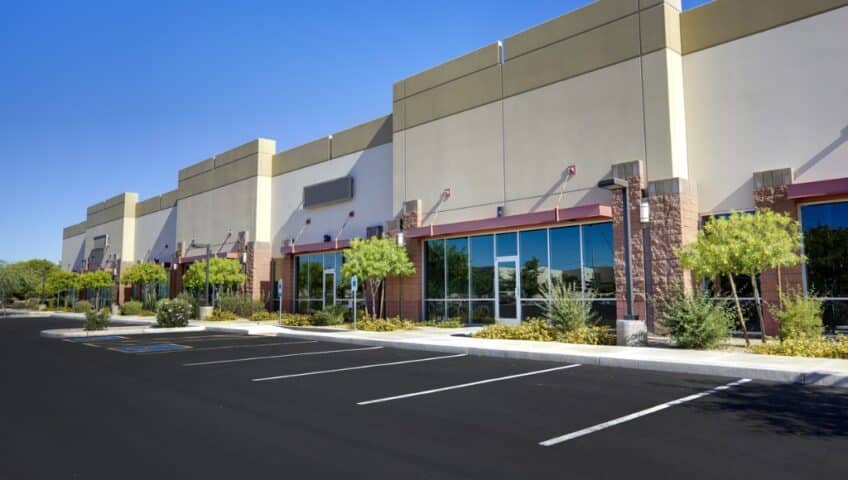
As a commercial property owner, you understand the importance of creating a positive impression on your potential tenants and visitors. Your property’s curb appeal can be significantly improved by investing in the right landscaping, and a well-manicured lawn and attractive plants can make your property more welcoming to tenants and visitors. Consider adding low-maintenance plants that require minimal watering and upkeep.

Use Attractive Signage

Signage is an essential aspect of the exterior of your commercial property. It communicates your brand and attracts potential tenants and visitors. Ensure your signage is attractive, clear, and easy to read, with the correct font size and typeface. Consider using eco-friendly materials to show your company’s commitment to sustainability.

Create a Welcoming Entrance

The first impression your property makes on potential tenants and visitors is through the entrance. Enhancing your commercial property’s exterior can significantly impact its value and attract quality tenants. Ensure the entrance is clean, well-maintained, and easy to locate. Consider adding potted plants and a seating area to create a welcoming atmosphere.

Enhance Interior Design

Interior design and layout are vital in attracting tenants to your commercial property. When redesigning the layout, it is crucial to consider the needs of potential tenants. You can also consider redesigning the layout to make better use of available space so that tenants can maximize productivity and functionality. By creating an interior space that caters to the needs of different tenants, you can maximize your property’s value.

Optimize Property Layout

Another way to enhance your commercial property layout is by optimizing the layout to maximize usable space. This involves analyzing the property and identifying areas that can be reconfigured to optimize the use of available space. Vertical spaces such as mezzanines or lofts can be created to add usable square footage to your property. By increasing the usable square footage, you can increase your rental income and the overall value of your property.

Regular Maintenance and Repairs

Building positive relationships with your tenants is critical for maintaining tenant satisfaction and increasing the value of your commercial property. Happy tenants are more likely to renew their lease, recommend your property to others, and provide positive reviews. Timely and effective maintenance is essential for tenant satisfaction. Responding promptly to maintenance requests shows your tenants that you care about their well-being and are committed to providing a safe and comfortable environment.

Enhance Security Measures

As a commercial property owner, the safety and security of your tenants and assets are paramount. Installing advanced security systems such as access controls, surveillance cameras, and burglar alarms can significantly enhance the safety of your commercial building. These measures not only deter potential criminals but also provide a higher level of protection for your tenants and increase the value of your property.

Improve Your Parking Lot and Sidewalk

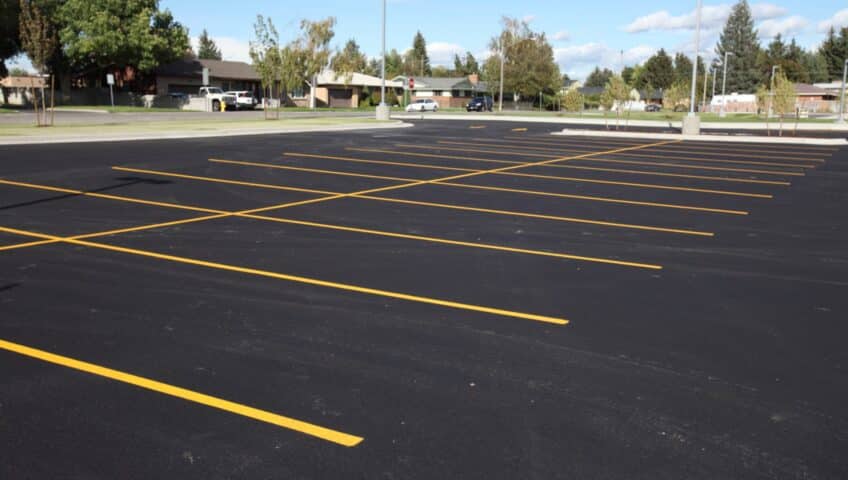
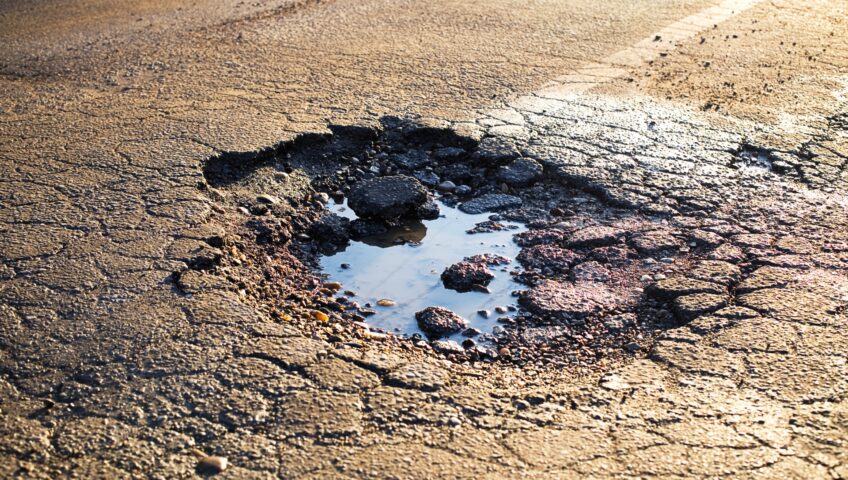
Your commercial property’s parking lot and sidewalk may seem like minor details, but they can have a significant impact on its value. If your parking lot is cracked or pothole-ridden, resurfacing it will give it a fresh new look and make it safer for drivers. Furthermore, freshly painted parking lines and crosswalks will make your parking lot look more organized and professional, resulting in increased traffic, reduced maintenance costs, and a higher property value.

South Central Sealing & Paving—Your Trusted Source for Asphalt and Concrete Services

Commercial property is a valuable asset, but it’s important to remember that its value can fluctuate over time. Several factors can affect the value of your commercial property, including market conditions, the location of the property, and the condition of the property. However, the tips mentioned above can help you increase the value of your commercial property and improve your bottom line.

Are you looking for top-notch asphalt and concrete services in Wichita, KS? With over 30 years of unparalleled experience, South Central Sealing & Paving is your go-to expert for all your concrete and asphalt needs.

From sealcoating to pothole repair, we ensure your surfaces are built to last. We also offer custom asphalt maintenance solutions to meet your specific needs. Whether you have a commercial property or a residential driveway, we can help you protect your asphalt investment and extend its lifespan.
Don’t settle for less. Keep your commercial property looking its best with concrete and asphalt services from South Central Sealing & Paving. Contact us today for a free estimate, or visit our website to learn more about how our team of experts can help pave the way to a smoother tomorrow.
Asphalt raveling

How to Prevent Your Asphalt from Raveling

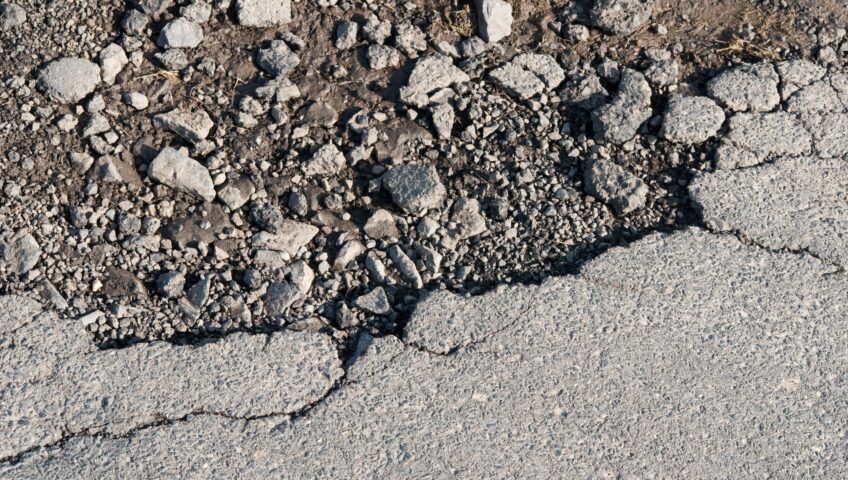
Asphalt raveling is a pervasive, damaging issue that affects many paved surfaces in varying climates. It occurs when the surface of the asphalt deteriorates and the top layer of material essentially disintegrates. This process is often brought on and exacerbated by a combination of factors, including the age of the asphalt, weather exposure, poor construction or mixing practices, as well as insufficient maintenance.

Visual signs of asphalt raveling are easily recognizable. The most obvious indicator is the formation of loose, granular aggregates on the surface of the asphalt. These small, pebble-like particles have broken away from the solid structure of the asphalt, creating an uneven, coarse texture.

As the raveling progresses, an observer may also notice the appearance of small cracks in the surface that will grow and expand over time. These fissures weaken the structural integrity of the pavement and contribute to the expedited degradation of the surface.

Asphalt raveling commonly occurs in areas that see heavy pedestrian or automobile traffic, extreme weather fluctuations, or poor construction practices. Busy roads, access alleyways, and parking lots are especially prone to raveling due to the constant stress on the pavement surface.

Freeze-thaw cycles in regions with harsher winters can also contribute to asphalt raveling. Neglected maintenance—such as infrequent sealing and improper repairs—can also lead to or expedite the asphalt raveling process.

General Hazards of Asphalt Raveling

The long-term consequences of untreated asphalt raveling can be extensive and expensive. Firstly, raveling asphalt poses a significant safety hazard for both pedestrians and drivers. Loose aggregates can create slippery conditions, increasing the risk of accidents and injury. Additionally, the structural integrity of raveled asphalt becomes increasingly compromised and can potentially lead to potholes and other severe surface damage.

As raveling worsens, repairing the pavement becomes increasingly more expensive and time-consuming, so it’s best to repair raveling quickly. Property values can decrease as a result of the unattractive and deteriorated asphalt, and the environmental impact of loose aggregates can wash into storm drains or contribute to local water pollution.

As such, addressing asphalt raveling promptly is critical to avoid these long-term consequences and ensure the safety and longevity of your paved surfaces.

Preventative Measures

Property owners and maintenance professionals can employ a wide range of preventative measures to both avoid and help repair asphalt raveling. Here are some general guidelines and tips to ensure the longevity of your property’s paved surfaces.

  • Proper Installation—Nothing beats doing a job right the first time, and beginning with a strong foundation is critical to ensuring long-term success. Hire an experienced contractor that uses high-quality asphalt materials to ensure proper compaction during installation.
  • Routine Maintenance—Scheduled inspections are crucial. Identify and address any issues like cracks or potholes promptly. Crack sealing and patching prevent minor defects from developing into full-blown pavement nightmares.
  • Adequate Drainage—Ensure that your asphalt surfaces have the right slope and drainage systems in place to divert standing water away. Gutter maintenance can also help prevent water infiltration.
  • Seal Coating—Apply seal coating every 2-3 years, depending on your location and the specific needs of your property. This protective layer shields the asphalt from damaging UV rays and moisture, which greatly reduces the risk of raveling.
  • Snow & Ice Removal—Proper snow removal techniques, such as plowing and using de-icing methods, help to protect the asphalt from grueling freeze-thaw cycles that can contribute to asphalt raveling.

Being proactive with these preventative measures means property owners and maintenance experts can significantly reduce the risk of asphalt raveling. Regular maintenance (when coupled with professional expertise) is key to preserving the integrity of your asphalt surfaces. 

While some property owners may wince at the cost of preventative maintenance; these expenses are a mere fraction of what it would cost to completely repair damaged pavement caused by asphalt raveling.

Advantages of Working with Professionals

Industry professionals possess a deep understanding of the intricacies of asphalt composition and behavior, which allows them to diagnose issues accurately and recommend effective solutions.

Quality is a must when it comes to asphalt care, and professionals have access to high-grade materials and the right equipment for the job. This ensures that repairs and general maintenance are conducted to the highest standards to preserve the life of your asphalt surfaces.

Time efficiency is another benefit to working with professionals, as industry experts can complete tasks swiftly and properly, minimizing disruptions to your property. Because asphalt maintenance professionals adhere to specific safety protocols, property owners can rest assured that maintenance or repairs will be carried out in a timely manner.

Overall, entrusting your asphalt maintenance needs to experts helps save time and money while simultaneously ensuring a durable, safe pavement that can enhance the aesthetics, accessibility, and functionality of your property.

Seeking Asphalt Paving and Repair Solutions?

Asphalt raveling is a persistent threat to the durability and safety of your paved surfaces. We’ve touched on what it is, how it occurs, identified some telltale signs, and illuminated the consequences of neglecting it. Thankfully, with proactive measures (including proper installation, regular maintenance, ensuring good drainage, etc.), property owners can safeguard their investments while maintaining a safe and functional asphalt surface.

When it comes to pavement repair and solutions, working with a professional can make all the difference. With a wealth of experience, top-quality materials and an unwavering commitment to safety and excellence, South Central Sealing & Paving is your trusted choice for all asphalt paving, maintenance, sealing, and repair needs.Don’t wait until asphalt raveling becomes a costly problem. Take a proactive step today to ensure the longevity and safety of your asphalt surfaces by contacting South Central Sealing & Paving today!

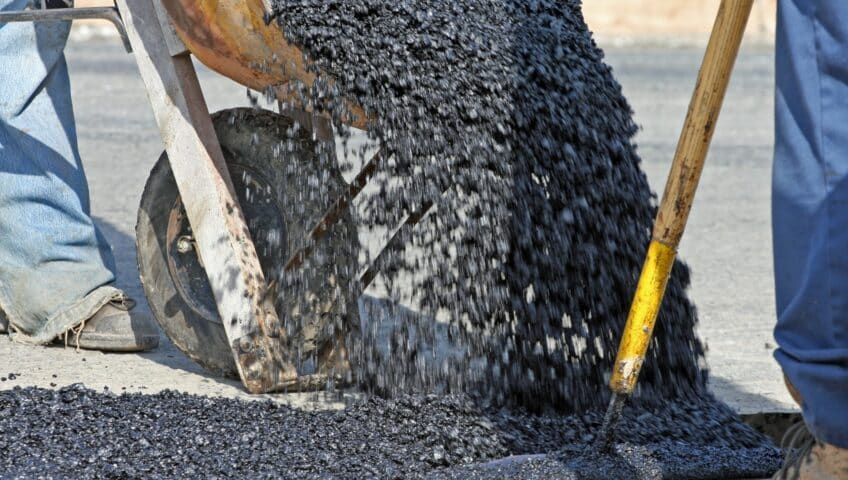
Workers pouring asphalt

How Long Does It Take for Asphalt to Cure and Dry?

The journey from freshly laid asphalt to solid, resilient pavement involves a delicate dance between numerous factors. Understanding these variables will help you estimate and optimize your asphalt surface’s drying and curing times.

Weather Conditions

Weather conditions significantly influence the drying and curing of newly paved asphalt surfaces. Temperature, humidity, and sunlight all play critical roles in the following ways.

  • Higher temperatures expedite moisture evaporation, accelerating both drying and curing processes.
  • Bright sunlight aids curing by initiating chemical reactions that strengthen the asphalt.
  • Conversely, low temperatures or high humidity can prolong these stages, slowing moisture evaporation and delaying chemical transformations.

Commercial property owners should closely monitor weather forecasts, aiming for warm, dry days to ensure efficient drying and proper curing. Collaborating with experts and adjusting construction schedules based on weather can help optimize the longevity and performance of asphalt surfaces.

Pavement Thickness

Thicker pavements naturally take longer to release moisture and reach full strength due to the additional time required for heat and moisture to penetrate through the entire depth of the pavement. Adequate curing is especially crucial for thicker pavements to prevent premature surface wear and cracking.

Expert Installation and Professional Equipment

Skilled contractors employ precise techniques and use high-quality equipment, which ensures proper temperature and compaction levels. Their expertise expedites moisture evaporation for quicker drying time and promotes uniform curing for a longer-lasting, durable asphalt surface.

How to Determine When Your Asphalt Surface Is Cured

Recognizing when your newly paved asphalt surface has completed its curing process will help ensure your business benefits from its optimal performance.

  1. Observe a change in color from dark black to a slightly lighter hue
  2. Feel that the surface has hardened and no longer feels tacky to the touch
  3. Look for the absence of imprints or marks left by light pressure
  4. Note that the surface is no longer giving off fumes
  5. Consult with asphalt professionals who can confirm that the pavement is ready for regular use

Potential Issues Arising from Insufficient Drying and Curing

The critical stages of drying and curing freshly paved asphalt are not to be taken lightly. Insufficient attention to these processes can lead to a cascade of problems that compromise the integrity and longevity of your pavement and, ultimately, your bottom line.

Reduced Pavement Lifespan

Failing to allow for curing can result in a weaker surface and premature deterioration. The asphalt’s ability to withstand traffic loads, temperature changes, and environmental stressors becomes compromised, leading to a shorter lifespan than anticipated.

Cracking and Rutting

Improper drying and curing lead to internal stresses that create cracks and allow ruts to form. These flaws and defects detract from its appearance and compromise its structural integrity.

Maintenance Challenges and Financial Implications

A poorly-cured asphalt surface requires more frequent and extensive maintenance. Whether it’s crack sealing, patching, or resurfacing, the ongoing repairs can quickly add up in terms of cost and disruption to your business’s operations.

Tips for Maintaining Asphalt as it Cures

Maintaining newly paved asphalt during the crucial curing phase is vital to ensuring the pavement’s long-term durability and performance. Here are some valuable tips to help you navigate this critical period and ensure a smooth, strong pavement that can withstand the rigors of time and traffic.

Be Patient and Limit Traffic

While it’s tempting to resume regular activities, exercising patience during the drying and curing period pays off. Rushing to open the pavement to traffic before it’s adequately dried and cured can have disastrous consequences. Restrict foot and vehicle traffic, particularly heavy loads, by establishing clear boundaries and signage to prevent premature use.

Avoid Sealing Too Soon

Applying seal coating prematurely can trap moisture beneath the surface, hindering the curing process. Consult with professionals to determine the appropriate time for seal coating based on the specific asphalt mix and weather conditions.

Prevent Water Accumulation

Standing water on the asphalt can hinder the curing process and lead to weakened spots. Ensure proper drainage and promptly remove any pooled water to allow the surface to dry uniformly.

Gentle Maintenance

If debris accumulates on the surface, use soft-bristle brooms or leaf blowers to remove it gently. Avoid using sharp objects that could scratch or damage the curing asphalt.

Collaborate with Professionals

Work closely with experienced asphalt contractors who can provide guidance on maintenance practices specific to your pavement type and local climate. Their expertise ensures that your efforts align with best practices.

High-Quality Asphalt Services in Wichita, Kansas

At South Central Sealing & Paving, we’re dedicated to providing the highest quality paving services for commercial property owners in Wichita, Kansas, and the surrounding area. We offer a full range of seal coating and asphalt paving services. Let us help you get the smooth, long-lasting asphalt paving your business needs. Contact us today to learn more about our commercial asphalt paving, maintenance, and sealing services.

A warehouse and an asphalt parking lot

What’s the Difference Between Asphalt Paving and Slurry Seal?

As a property owner or manager, you understand the importance of keeping hard surfaces like driveways, parking lots, and roadways in good condition. Asphalt paving is usually preferable to concrete because it is more versatile and durable, but you should also consider sealing options like slurry sealing. Here’s what you need to know about the difference between asphalt paving and slurry sealing.

What Is Asphalt Paving?

Asphalt is just about everywhere you look. It’s on our roads, driveways, parking lots, and more. But what is it? Asphalt pavement is made up of sand, stone (aggregate), liquid asphalt (petroleum), and additives. Another common term for asphalt is “bitumen.”

Benefits of Asphalt Paving

Asphalt paving provides a number of advantages to businesses and consumers. Here are some of the top benefits of using asphalt pavement.

1. Durable and Long-Lasting

An asphalt road or driveway installation done by an experienced installer is durable and long-lasting. With regular care and maintenance, asphalt can last decades. 

2. Cost-Efficient

Asphalt is considered one of the most cost-efficient paving options. Compared to concrete, it generally costs less to install and maintain. However, this can vary depending on the current price of crude oil, which is one of the mix’s main components. 

3. Good for Noise Reduction

In some areas, you want a quiet surface. Asphalt delivers this because its materials absorb road noise. 

4. 100% Recyclable

Asphalt is the world’s most recycled product. According to the National Asphalt Pavement Alliance (NAPA), reclaimed asphalt pavement mixtures saved 2.6 million metric tons of the product in 2021 alone. 

5. Fast Project Completion

Because the material required to make asphalt is easy to acquire, you can be assured that your project will be completed quickly. 

6. Good Water Drainage

Asphalt is an excellent surface for water drainage. Specifically, porous asphalt allows liquid to pass through the surface to its base so that it goes back into the ground. There are other types of asphalt that are meant to redirect water instead of absorb it. 

7. Safety Aspects

Asphalt can make a surface much safer. Because the material has water-managing qualities, it helps in reducing skidding on the asphalt’s surface. Also, the asphalt’s dark color helps melt snow and ice to make the surface safer for both pedestrians and vehicles. 

The Asphalt Paving Process

There is a lot of surface preparation necessary before asphalt is applied. Proper excavation, cleaning, and ground compaction are necessary to get the best possible results. Once this is done, the materials can be mixed on-site. 

To create asphalt, a mixture of roughly 90-95% sand and aggregate is combined with 5-10% bitumen and asphalt (petroleum). The high viscosity of the material is what binds everything together. 

The asphalt is laid using a special paver and then compacted using rollers. Once this step is complete, the surface is left to solidify for a minimum of 24 hours before it can be used. Over time, however, asphalt will begin to degrade. This is why slurry sealing is a popular option to extend the life of the surface. 

What Is Slurry Sealing?

Slurry sealing is the application of a mixture of water, aggregate (small crushed rock), asphalt emulsion, and additives to an existing asphalt surface. This mixture is applied to help protect and preserve the underlying structure, such as a driving surface. 

Slurry seals can be applied directly after the initial installation of the original surface or a period after. To apply the sale, the mixture is created and applied using a specialty truck with compartments that hold the emulsion, additives, and aggregate. As the materials flow out of the truck, workers will assist in spreading the mixture. 

How Slurry Sealing Is Different from Asphalt Paving

Slurry sealing can’t replace asphalt paving. It’s also commonly confused with seal coating, which isn’t the same thing. A slurry seal is a sealing treatment that goes on top of your asphalt paving. Unlike seal coating, which has a smooth finish, slurry sealing has a rough texture to provide your asphalt with an additional wear surface. Without the slurry sealing, you only have the asphalt as your surface material. 

The Importance of Doing Slurry Sealing

Asphalt is made of a petroleum-derived binder and a mineral aggregate. When it’s hot, the binder is semi-fluid, which allows the asphalt to be poured and spread. Then, it solidifies as it cools. However, asphalt can lose its integrity over time due to environmental exposure.

The binder becomes brittle and hard due to chemical reactions caused by UV rays and oxidation. Over time, the asphalt binder will shrink and become less resilient against water damage and stress, making it susceptible to cracking from traffic and heavy loads. 

Slurry sealing is one of the top methods for protecting your asphalt from this deterioration. Even if your asphalt already has a few cracks, slurry sealing is a great approach to filling them in and protecting your entire surface long-term. Some of the top benefits of using slurry sealing for your asphalt include the following.

  • Corrects and Prevents Problems — A slurry seal application can correct various existing problems like surface cracking, loss of matrix, raveling, lack of friction, and increased air and water permeability. Slurry sealing also prevents issues by creating a waterproof surface that is more skid-resistant. 
  • Aesthetically Pleasing — After just one application, you’ll notice a difference in the way your asphalt appears. Basically, a slurry seal gives the surface a more uniform texture and color, which can increase property values or benefit a business due to increased curb appeal. 
  • Cost-Effective — Slurry seal is affordable to install and a cost-effective option to extend the life of your asphalt. Its effects can last up to 10 years. It also uses recycled materials and requires minimal labor for the installation. 

Contact South Central Sealing & Paving for All Your Kansas Asphalt Needs

Kansas businesses trust South Central Sealing & Paving for their asphalt needs. Whether you require new installation or asphalt repair or sealing services, our team is standing by to take on your project. With more than 30 years of industry experience, we are confident in our knowledge and ability to take on any size of project. Contact us today with any questions or to get a free estimate!

An asphalt road and a concrete walkway

What Is the Difference Between Asphalt and Concrete?

Maintaining your property’s exterior is essential and can make or break first impressions of your business. Among the critical decisions you must make when improving your building’s appearance is whether or not you will use asphalt or concrete for paving. While these materials are two of the world’s most commonly used paving materials, asphalt and concrete have unique properties and advantages that might make one more suitable for your property.

Understanding the differences between asphalt and concrete is crucial to make choices that align with your specific needs. This article will explore the traits, benefits, and drawbacks of both materials to provide you with the knowledge necessary to make the best decision. Let’s dive in!

What Is Asphalt Pavement?

Asphalt is a paving material that combines stone and sand with an adhesive base. Asphalt pavement can become a durable and solid structure for driveways, parking lots, and commercial properties when done correctly.

What Is Concrete Pavement?

Concrete is a paving material that mixes sand, cement, and gravel to create a long-lasting surface in high-traffic areas. Concrete is incredibly popular among residential and non-residential properties worldwide for its durability.

Advantages of Asphalt and Concrete

Asphalt and concrete have unique properties and advantages contributing to their popularity. Let’s break down the biggest benefits of these materials and explore what they have in common.

Benefits of Asphalt

You might choose asphalt over concrete for some of the following benefits.

  • Cost-effective: Asphalt is generally more affordable than concrete, making it preferable for property owners looking to save money on their paving projects. This material is cost-effective in terms of initial installation costs, and its lower material and labor costs make it an attractive choice for large-scale projects.
  • Recyclable: Asphalt is a frequently recycled material and an incredibly eco-friendly pavement solution. Unlike other materials, old, reclaimed asphalt is used in new mixtures to create new pavements, significantly reducing the environmental impact found in other pavement options.
  • Maintenance: Asphalt doesn’t require as much maintenance as concrete because it is naturally darker than concrete, hiding the appearance of stains and damages. This feature also means that repairs and routine maintenance for asphalt are straightforward and practical for individuals that don’t want to worry about frequent cleaning.
  • Faster drying time: Asphalt is perfect for high-priority projects that need to adhere to a tight schedule. Asphalt pavement is usable immediately after it is poured. While it dries for a couple of days after the initial pouring, you can still safely use the material instantly rather than waiting several days like you would with concrete.

Benefits of Concrete

Though asphalt is an excellent pavement option, concrete boasts several benefits that make it preferable for some individuals. The following are the main advantages of choosing concrete for your paving needs.

  • Long-lasting: Concrete is perfect for property owners looking for a long-lasting pavement solution. Concrete can last up to 40 to 50 years when properly installed and maintained, making it one of the most durable paving materials available.
  • Simple cleaning process: Though concrete driveways require more cleaning than asphalt, the process is straightforward. Property owners can sweep their pavement to remove any debris and use water and soap to eliminate dirt and other debris that can’t be removed through sweeping. Pressure washing is also an efficient and effective way of cleaning concrete surfaces.
  • Low-maintenance: The initial cost of concrete is more expensive than asphalt; however, concrete is often worth it in the long run because it has low-cost maintenance requirements, meaning that you won’t have to spend big on frequent maintenance and repairs.
  • Eco-friendly: Similar to asphalt, concrete is a highly recyclable material. Additionally, because of how long-lasting concrete is, the material has a low environmental impact and minimizes waste.

Drawbacks of Asphalt and Concrete

Now that we’ve explored the advantages of asphalt and concrete, let’s delve into the drawbacks of these materials that might contribute to your final decision.

Drawbacks of Asphalt

The biggest drawbacks of asphalt include the following.

  • Shorter lifespan: Compared to concrete, asphalt has a short lifespan and can last between 20 and 30 years. Though asphalt’s lifespan can be extended by proper maintenance and sealcoating, this can be an issue for people that plan on staying with a property long-term.
  • Requires more repairs: While asphalt is easy to repair, there is a higher likelihood of requiring repairs with asphalt than with concrete. When considering the additional costs of repairs due to cracking and other potential issues, asphalt can reach or exceed the price of concrete.
  • Poor heat management: Asphalt doesn’t bode too well in the heat, and if you live in an area that reaches high temperatures in the summer, you might experience issues with your asphalt pavement. Asphalt can become gooey and lose its hardness when temperatures rise, making it more prone to cracking. Additionally, asphalt gets incredibly hot in the summer and can burn your feet if you’re walking on it barefoot.

Drawbacks of Concrete

Despite its numerous advantages, concrete has some drawbacks, including the following.

  • Hard to repair: Concrete generally requires fewer repairs than asphalt. However, when concrete needs to be repaired, the process can get complicated quickly. Though minor damages require resurfacing, highly damaged areas will require replacement. You might also encounter issues with matching the color of the original concrete during repairs, impacting your property’s appearance.
  • Costly installation: While you might save costs over time with concrete compared to asphalt, the initial installation cost is more expensive than asphalt and requires a significant investment in your property. Concrete can reach between $3-10 per square foot, and the cost to cover larger properties adds up quickly.
  • Long installation time: Unlike asphalt, which can be used immediately after installation, the time frame for installing concrete is much longer. Concrete must dry for at least two days before it can be walked across and at least a week until people can drive across it safely. Concrete pavement might take too long to complete for high-priority fixes and projects.

Contact South Central for Asphalt and Concrete Paving Services

Ultimately, asphalt and concrete have unique advantages and drawbacks that you should consider before choosing one over the other. Either way, South Central Sealing & Paving has you covered! We offer comprehensive paving, maintenance, sealing, and installation services for both concrete and asphalt. Reach out to us to find out more about our services!

This is a photo of an asphalt parking lot.

What Is Asphalt Slurry Sealing?

As a commercial property owner or manager, you know that proper maintenance is key when it comes to protecting the investment in your property. One essential component of keeping your pavement surfaces looking their best is asphalt slurry sealing. This specially formulated coating helps improve the durability, longevity and performance of your asphalt paving surfaces—all important considerations for any business budget!

But what exactly is asphalt slurry sealing? In this blog post, we’ll break down this process in greater detail so that you can make an informed decision about whether or not asphalt slurry sealing would benefit your business.

Understanding the Basics of Asphalt Slurry Sealing

Asphalt slurry sealing is one of the most effective ways to maintain and extend the life of pavement surfaces. This cost-effective technique involves the application of a thin layer of slurry, which is a mixture of water, asphalt emulsion, and other materials such as aggregates and polymer additives.

By filling in cracks and small voids, slurry seals prevent water from penetrating the surface and causing further damage. They also enhance the skid resistance of the pavement, reducing the risk of accidents. Despite its numerous benefits, many people are not familiar with slurry sealing and its uses. Therefore, understanding the basics of asphalt slurry sealing can help you make informed decisions about maintaining your pavement surfaces.

The Importance of Asphalt Slurry Sealing

Asphalt slurry sealing is a crucial aspect of maintaining parking lots and roads. Slurry sealing helps to protect the pavement from sun and water damage, while also filling surface cracks that can lead to bigger problems down the road. Additionally, slurry sealing can improve the aesthetics of a paved surface, making it look newer and more polished.

While slurry sealing is an important step in pavement maintenance, it’s essential to have it performed by professionals who have the right equipment and experience to ensure a successful outcome.

The Asphalt Slurry Sealing Process

The asphalt slurry sealing process is a cost-effective and long-lasting method of extending the life of asphalt pavement. This process involves the application of a mixture of asphalt emulsion, aggregate, water, and additives to the surface of an asphalt surface. The mixture is then spread evenly and compacted to form a new, durable layer.

Slurry sealing not only improves the appearance of the pavement but also provides protection against weathering, oxidation, and other environmental factors. Moreover, this process can be completed quickly, requiring minimal traffic disruption. Overall, the asphalt slurry sealing process is a smart investment for any property owner looking to maintain their pavement’s quality and extend its lifespan.

How Often Do You Need to Slurry Seal Your Asphalt Surface?

Asphalt surfaces require regular maintenance to prolong their life and keep them looking their best. A single slurry seal is not going to cut it for several decades. With that said, several factors can influence the amount of time your slurry seal remains effective. These factors include the amount of traffic your surface receives, the climate in your region, and the condition of the pavement.

Generally, we recommend slurry sealing every six to ten years, though more frequent sealing may be necessary in high-traffic areas or extreme weather conditions.

The Benefits of Asphalt Slurry Sealing

Asphalt slurry sealing is a cost-effective and long-lasting solution for maintaining and improving the quality of roads and parking lots. The slurry seal is a protective layer that guards your asphalt against damage caused by weather, traffic, and other external factors.

Compared to other pavement maintenance methods, slurry sealing is quick to apply, requires minimal preparation, and can extend the lifespan of an asphalt surface by up to ten years. Additionally, it is environmentally friendly and non-toxic, making it a safe option for both workers and the local community.

Asphalt slurry sealing is a reliable and efficient choice for maintaining the safety and appearance of your pavement in the long term.

The Importance of Working with a Professional

While there are DIY slurry sealing options available, hiring a professional asphalt paving and sealing company is crucial. A reputable company has the experience, equipment, and expertise necessary to ensure quality workmanship and excellent results.

They will also use high-quality materials, which can withstand harsh weather conditions, heavy traffic, and other environmental factors. Therefore, if you want your asphalt pavement to last long and look great, consider hiring a professional paving and sealing company to slurry seal it.

Slurry sealing your roads or parking lot is an excellent way to protect and improve the condition of your asphalt. Not only does it provide superior protection from water penetration and the eventual formation of structural deficiencies, but it also age-proofs your parking lot by resisting UV rays. Plus, slurry seal’s simple application process and smooth, attractive finish will have you feeling confident about your asphalt for years to come.

In addition to improving the longevity of your pavement surface, it could also help to maintain its original appeal. For all these reasons, slurry sealing is an ideal solution when it comes to preserving your asphalt surface. If you’re looking for professional slurry sealing services that are reliable and affordable, contact South Central Sealing & Paving today!

This is a photo of a very well-maintained and visually enticing commercial property with excellent curb appeal.

7 Ways to Improve the Curb Appeal of Your Commercial Property

Is the exterior of your commercial property leaving potential customers unimpressed? It’s time to give it a makeover! Keeping up with your building’s curb appeal doesn’t have to be expensive or difficult. In this blog post, we’re going to discuss some quick and simple ways that you can improve the appearance of your commercial property without breaking the bank.

Paint the Exterior of Your Building

If you own a commercial building, sprucing up its exterior can be an easy and effective way to make it look more inviting, professional, and up-to-date. A fresh coat of paint is often all that’s needed; tired old buildings can be given a new lease on life with just one afternoon and a few cans of paint.

Not only does this give passersby a better impression of the property, but it also leads to increased confidence from potential customers, clients, or tenants. When you combine great exterior looks with excellent interior service, your commercial building will become the talk of the town.

Add New Landscaping Features

If you are looking for a simple way to freshen up the look of your building, consider adding landscaping features, such as trees or shrubs. Not only can they contribute some much-needed color and character to the exterior of your building, but they can also provide a host of practical benefits like helping reduce air pollution and acting as a natural sound barrier.

Adding landscaping features is an easy and inexpensive way to instantly transform the look of your building while also providing other surprise advantages in the process.

Update Your Signage

Updating your commercial property’s signage with a professionally designed look can really bring a whole new sense of vibrancy to the space. Not only will it look great, but it can be an important marketing tool that showcases who you are and what you do in a way that resonates with potential customers.

A custom sign with an eye-catching design is sure to draw attention, making sure that no one misses out on the opportunity to find out about your business or product. Investing in the right signage now could be key for standing out from the competition for years to come.

Hang Planters Near the Entrance to Your Building

Introducing a bit of lush greenery near your doorway can be an easy and effective way to add life and beauty to the entrance of your building. A few well-placed planters, adorned with bright flowers or calming plants, are the perfect way to welcome guests.

The cheerful plants can also create a relaxing atmosphere for those who take a break from the hustle and bustle near the door, providing a peaceful space to unwind and recharge. Not only will these planters spruce up the aesthetics of your building’s entryway, but they’ll make you feel more connected to Mother Nature as you go about your day.

Replace Old Light Fixtures with Modern, Energy-Efficient Lighting

If you’re looking to maximize the visibility and curb appeal of your commercial building, you’ll want to rethink the outdated light fixtures. Installing brand-new, energy-efficient lighting to the exterior of your property is an efficient and relatively affordable way to make a huge impact.

Not only will your property stand out from the competition and attract potential customers, but you’ll also save money on utility bills with the newer lights’ improved efficiency! You won’t regret making this smart renovation for your business space.

Add Outdoor Seating Areas for Customers

As summer months approach and temperatures rise, more people are looking for ways to spend time outdoors. Offering outdoor seating areas on your property can be a great way to keep customers comfortable while they shop around or wait for an appointment. An open-air option will let them enjoy a sunny day or cool off with a breeze while they browse.

Plus, good seating not only enhances the customer’s experience, but it also provides an inviting atmosphere that encourages shoppers to stay longer and come back later! Make sure these areas have plenty of shade and sun protection so that customers can comfortably relax outside for as long as possible.

Replace, Repair, or Maintain Your Parking Lot and Sidewalks

Creating a safe and inviting environment for customers and employees should be a top priority for any business. Having a safe place to walk and park is essential to providing an experience that customers and staff enjoy. It’s worth investing in your parking lot and sidewalks to ensure they are up to safety standards and pleasant to look at.

Whether you are replacing, repairing, or maintaining your parking lot and sidewalks, there are plenty of options available that will help your facility look great while keeping everyone safe. A little bit of attention can go a long way when it comes to creating an effective and pleasant environment for your employees, customers, and visitors.

South Central Sealing & Paving offers a great selection of pavement replacement, repair, and maintenance services so that you can keep up attractive curb appeal and stand out from the competition. Not only do we specialize in providing top-quality paving services, but we are also dedicated to delivering competitive prices while treating our clients with the utmost respect and professionalism.

Don’t hesitate to contact South Central Sealing & Paving if you’re looking for reliable pavement repair and maintenance services!

pothole-filled-with-water

How to Address Water Ponding on Your Parking Lot

Puddles of water in the parking area of your building may appear unsightly but harmless. Still, water ponding on your parking lot may actually be indicative of problems with your asphalt or concrete paving. Note that most commercial parking lots are made from asphalt

Standing water is likely to shorten the life of your pavement. If there is a crack or other break, water will enter and may end up eroding and destabilizing the pavement’s base. This could result in potholes, alligator cracks, large cracks, and more, leading to expensive repairs.

What Exactly Is Water Ponding?

Water ponding refers to puddles that form in pavement depressions due to a variety of reasons, including the following.

  • Normal wear over time that causes ruts to form.
  • Trucks or heavy equipment driving or parking on your lot if it was not designed to support such loads. 
  • The asphalt not being correctly compacted when it was applied. 
  • Subsidence or shifting of the soil underneath the parking lot.
  • A drainage system inadequate to cope with the volume of rain that falls in your area. 
  • Ineffective sloping of your pavement. 
  • Neglected oil spills. As the oils dry out, the pavement begins to lose flexibility, and depressions and cracks may start to form. 
  • The wearing away of the seal coating caused by the weight of enough vehicles driving through an area of standing water.
  • An improperly set blade on a snowplow taking out a chunk of asphalt.

Water Ponding Affects Safety

Standing water in your parking lot is unwelcome for several reasons, including the following.

  • Vehicles that don’t or can’t avoid the puddles can give pedestrians an unwelcome splashing.
  • Other car owners may not appreciate the drenching their vehicles receive. 
  • Severe pavement damage concealed by ponding water may result in impairment to vehicle tires or suspension systems.
  • Pooling water can conceal cracks and potholes that could cause pedestrians to trip, sprain ankles, or suffer other injuries. 
  • Cyclists could take nasty falls or suffer damage to their bikes. 
  • During the colder months, water ponding on your parking lot can freeze, creating an icy hazard for both pedestrians and drivers. 

Click here for some advice on making your parking lot as safe as possible.

Water Ponding Is Not Aesthetically Appealing

Puddles of water make your parking lot look blotchy and unattractive and may create an unfavorable first impression of your business to potential customers and investors. If the puddles also contain mud or dirt from runoff, the standing water is even less attractive.

Why Good Parking Lot Drainage Is Important

Water is absolutely necessary for life, but water will spell the death of your parking lot if it doesn’t drain off efficiently. Over time, ponding water will inevitably cause a breakdown of the asphalt and eventually lead to the deterioration of the bonding between the binder, rocks, and sand that together make up your pavement.

Water accumulating below the surface of your parking lot will gradually weaken your pavement and reduce its ability to handle its traffic load. Eventually, cracks will materialize, potholes will form, and your once-gorgeous parking area will turn into a hazardous eyesore.

How to Address Water Ponding Problems

The first thing to do is to have your parking lot inspected by a reputable contractor. Based on what the inspection finds, various corrective methods can be used, including the following.

  • Pothole repair to prevent the holes from deepening and widening and creating a greater hazard.
  • Patching if the problem is confined to small areas. 
  • Crack sealing during the spring and summer months to maintain the quality, appearance, and structural integrity of your pavement. Asphalt is porous, so water from melting snow and ice can infiltrate below the surface, causing minor cracks to form.
  • Infrared treatment to melt the surrounding asphalt to enable new asphalt to be mixed in.  
  • Installation of trench drains or a system of curbs and gutters to improve your drainage. 
  • Milling and overlay to add a new layer of asphalt over the top of your existing pavement to improve its strength, performance, and curb appeal. This procedure is more on the rehabilitative side of the spectrum rather than the preventative maintenance side. 

Can You Prevent Water Ponding on Your Parking Lot?

You can follow certain procedures to help prevent depressions from forming that will allow water to pool on your pavement. These steps include the following.

  • Prohibiting trucks from driving through your parking lot. Provide separate access to your loading dock.
  • Not allowing trucks or heavy equipment to park on your lot, especially if they need to remain stationary for several days. The weight of heavy loads can result in the deformation of your asphalt and leave depressions behind. If you must use your parking lot for palletized materials, move them to a different spot periodically, especially during the hot months.
  • The prompt removal of automotive fluid, such as oil, by means of a regular cleaning schedule.
  • Keeping storm drains and/or catch basins free from debris. If they clog, water will likely back up and pool on your pavement.
  • Placing snow piles strategically, i.e., as close as possible to your lot’s storm drain.

About South Central Sealing & Paving

Are you ready to keep your parking lot in optimal condition for a long life? Then get in touch with our team at South Central Sealing & Paving. We specialize in full-service parking lot maintenance and repairs, including patching, crack sealing, sealcoating, overlays, and more. Our experts can maintain the integrity of your parking lot without disrupting your business because we do it the right way the first time – no need for constant repairs.

South Central Sealing & Paving offers a wide range of asphalt- and concrete-related services to customers in the Wichita, Kansas area. If you are having ponding water problems on your parking lot, don’t wait until they get worse. Contact us for a free, no-obligation estimate!

construction-worker-walking-on-soil

What Is Soil Stabilization?

The foundation is one of the most important aspects of many types of structure, whether you’re talking about a sidewalk, a parking lot, a highway, a small home, or a massive building. When laying asphalt or concrete for a road or parking lot, the soil acts as the foundation. When the soil is strong and stable, the pavement stands up better to the elements.

Civil engineers use a process called soil stabilization to enhance the properties of soil to make it more effective as a base for your pavement. If the soil where you want to place your pavement is swampy, it could be too wet to provide a stable foundation.

Chemicals can be added to the soil to keep it dry and stable. The goal is to keep the soil from shifting when the elements disturb the surface. Soil stabilization can also prevent the shrink and swell properties of soil, which can impact the lifespan of your pavement.

What Are the Different Types of Soils Used for Foundation?

There are four main types of soil: sand, silt, clay, and loam. The organic content of soil is the biggest determination of how effective it will be as a foundation. You can tell how much organic content a soil has by observing how well organic material grows in the soil. The higher the organic content, the more the soil will change shape when wet, making it ineffective as a foundation for your pavement.

Sand

You’ll notice that there are very few plants growing in the sand if you visit a beach or a desert. Sand does not have the necessary nutrients that most plants need to grow. This makes sand a good foundation for a parking lot because it won’t change shape when wet. However, it may need to be compacted before laying asphalt or concrete to create a stronger surface. Sand particles are the largest type of soil particles.

Silt

Silt particles are smaller and finer than sand. When wet, silt feels like flour. Many agricultural settings prefer silt, which is made from eroded rock. Silt can be quite dense without bonding together, so it does have good air circulation and water retention qualities. Farmers may love silt, but construction workers find it difficult to work with. It moves when wet and is difficult to compact.

Clay

Clay particles are very small and often confused with silt. A clay soil becomes almost plastic when wet, which makes the soil’s shape change. The asphalt or concrete on top of the soil will also change shape or contract and expand, depending on the temperature. It is better to remove clay before laying pavement.

Loam

Loam is a mix of silt, clay, and sand. It’s often designated by a specific soil type followed by the word “loam.” For example, clay loam contains more clay than silt and sand. Sandy loam has more sand than the other two. Before laying paving, you would want to test the loam to determine the particle size and organic content to find the most effective soil stabilization method.

What Are the Methods of Soil Stabilization?

Knowing the type of soil you’re working with gives you the best chances of finding the correct stabilization method.

  • Mechanical Stabilization – With this type of soil stabilization, you mix two or more soils or add aggregate to the soil mixture so that the material is well-graded and compact to maintain its shape.
  • Chemical Stabilization – Polymers or resins are added to the soil to change its chemical properties. Lime, fly ash, and cement can help stabilize soil to create a better foundation.
  • Biological Stabilization – A strong root system from trees, bushes, or plants prevents erosion. While this type of soil stabilization may not be appropriate for parking lots or roads, there is a mechanical alternative known as geotextiles, which are materials applied to the soil to prevent erosion, much like a system of tree roots would.

Why Is Soil Stabilization Important?

Soil stabilization offers many benefits; the key benefit is making your structure longer because the foundation is stronger. Soil stabilization can improve the durability of your pavement because it won’t be left to the whim of the environment.

Erosion won’t damage the pavement as quickly when the soil beneath it is strong. The freeze-thaw cycle won’t impact the pavement as much as it would if the soil were left alone. Using soil stabilization makes sub-optimal sites more effective for construction projects.

How Do You Choose the Correct Method?

The type of soil stabilization method that is best suited for your project will depend on several factors, including the type of soil available, the nature of the project, your budget, and environmental issues. An expert pavement contractor can help you determine which one is best.

Each project will have different requirements; there isn’t a one-size-fits-all approach. A parking lot may need a stronger foundation than a sidewalk because of the weight of the traffic it will receive. There are many methods and chemicals that can get the job done and make your foundation last longer.

Work with an Experienced Contractor in Wichita, KS

South Central Sealing & Paving has over 30 years of experience in asphalt and concrete paving. We understand the soil in the Midwest and can determine the best way to stabilize the foundation for your project. Our technicians are your neighbors and want to make sure that your parking lots, sidewalks, and driveways present a great first impression to your customers.

We are committed to providing high-quality materials and service for 100% customer satisfaction. Our professionals are trained and experienced in the latest technologies and materials so that you get a final product that looks great and holds up well for your business. Give us a call at (316) 613-0192 or email us at astephenson@scsealing.com if you would like to get started on your next project!

office-building-and-well-maintained-parking-lot

7 Benefits of Sealing Your Asphalt Parking Lot

Your parking lot is an extension of your business. A smooth and well-maintained parking lot not only lasts longer, but it is also safer and more attractive than the alternative. Asphalt parking lots are designed to be durable and strong, but asphalt has its vulnerabilities. Sealcoating your parking lot on a regular basis can help address some of these vulnerabilities.

Benefit #1: Protects Against Water Damage

Asphalt is a porous material that is vulnerable to the weather. Water is one of asphalt’s biggest enemies. When water seeps into the asphalt, it can cause the asphalt to deteriorate faster than it should. Freezing winter temperatures make this problem even worse.

During the day, when the water seeps into the asphalt, it doesn’t have time to evaporate before freezing overnight. The frozen water expands, which causes small cracks to form. Over time, these small cracks get bigger unless you make repairs. A sealcoating seals the asphalt and keeps the water out.

Benefit #2: Prevents Drying Out

When asphalt is first installed, you can typically use it within two to three days. It takes another few weeks to cure and become hard and durable. While this process is normal, the asphalt continues to lose moisture over time, causing the pavement to become more brittle.

A sealcoating slows this process, reducing the moisture loss and preventing exposure to the sun’s UV rays. It’s like an extra layer of protection against the summer sun, making the pavement last longer.

Benefit #3: Prevents Damage from Auto Fluids

Your asphalt’s base will combine with other similar materials, like oil or brake fluid from vehicles. This will weaken the asphalt. You can’t prevent cars from leaking onto your parking lot, but you can protect the parking lot from these materials. A sealcoating is a barrier between the fluid and the asphalt, but you need to repair any oil spots before applying a sealcoat. The sealcoating prevents future damage, but it won’t halt current damage.

Benefit #4: Makes Cleaning Your Parking Lot Easier

The sealcoating provides a smooth surface for the parking lot, making it much easier to slide a broom across it. If you’re the type that likes to have a debris-free parking lot, you’ll want to have a sealcoat applied to reduce the frustration and time spent on upkeep. A sealcoating can also help you clean car fluids off the asphalt.

Benefit #5: Prevents Expensive Repairs

A sealcoating prevents damage to the asphalt, which means you won’t spend your profits making repairs each season. The sealcoating protects the asphalt and can improve the safety of your parking throughout the year. Sealcoating costs much less than repairs, so you’ll save time and money.

Benefit #6: Enhances Curb Appeal

A sealcoating is one of the best ways to improve the look of your parking lot. It’s almost instant curb appeal. Your parking lot will stand out after its sealcoating. You can also have it striped so that it presents a great first impression any time a visitor comes to your property. Sealcoating gives your parking lot new life and makes your property look inviting and safe.

Benefit #7: Extends Pavement Life

A parking lot should last 20 years or more, but ultimately, this will depend on how well you maintain it over the years. Applying a sealcoat every three to five years extends the life of your asphalt while managing your maintenance costs. The time between sealcoatings depends on the traffic your parking lot gets, the condition of the asphalt, and the elements.   

When Is the Best Time to Apply Sealcoating?

A new parking lot does not need a sealcoating until after the first winter. A sealcoating must be applied when the weather is at least 50 degrees Fahrenheit. You also want a dry period of at least 24 hours after the sealcoating is applied. No rain in the forecast!

Many people like to apply a sealcoat in the fall so that their parking lot is ready for the winter weather, but you can apply it in the spring as well.

While the sealcoat is drying, you won’t be able to use the parking lot for about 24 hours. Our team understands the need to keep your parking lot open for business, so we always try to schedule maintenance at times that will minimize downtime and inconvenience to your business.

Can You Apply a Sealcoating to an Older or Neglected Parking Lot?

If you’ve neglected your parking lot and are ready to apply sealcoating, you will want to work with a professional parking lot paving company that has experience with the factors involved. You need to be prepared to make repairs to the parking lot before applying a sealcoat.

The repairs required can only be determined by the condition of your parking lot. It’s also recommended that the parking lot be cleaned before applying a sealcoat to ensure that it adheres properly and adequately protects the asphalt.

Trust the Experts With Your Asphalt Parking Lot

You shouldn’t skip sealcoating your asphalt parking lot. Smoother pavements are safer and last longer. A sealcoating and maintenance program can save your businesses thousands of dollars over the life of the asphalt. Sealcoating costs pennies per square foot, while repairs can cost hundreds of dollars. Consistent sealcoating takes care of the parking lot, making your business more attractive year-round.

Need help with your parking lot? South Central Sealing & Paving is a parking lot specialist based in the Midwest. We know how to keep your parking lot looking great throughout the entire year. We only use high-quality products, and we always apply the sealcoat under the manufacturer’s recommendations. Our team does not take shortcuts because we want your parking lot to look fantastic and last a long time.

Give us a call at (316) 613-0192 or email us if you are interested in sealing or repairing your current parking lot or installing a brand new one!