How to Maintain Your Asphalt Driveway

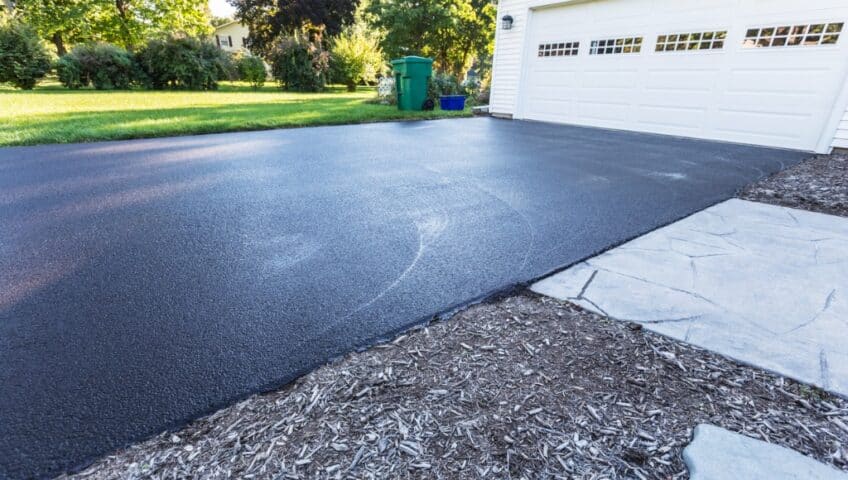
Your driveway is one of the first things that people notice about your home. It directly impacts your home’s curb appeal, whether you’re planning on selling or not. You want it to look its best and keep it safe for you, your family, and guests. Here are our best tips to making sure your asphalt driveway lasts a long time. 

Why Choose Asphalt For Driveways?

Asphalt is a popular material for driveways because it is affordable, strong, durable, and low maintenance. In the winter, asphalt absorbs the sun’s rays, which helps the snow and ice melt faster.

Asphalt is less likely to crack than concrete, which increases its longevity. Compared to concrete, asphalt is quicker and easier to install. You can use asphalt much quicker. Even though the asphalt takes about 6 months to cure, it is dry enough to be used in just 2 to 3 days. Asphalt is generally laid in warmer weather, but it can be repaired any time of the year. 

Why Does Asphalt Fail?

Knowing what causes asphalt to break down is one of the first steps toward good maintenance. Water is one of the biggest culprits, especially in winter. Ice and snow melt during the warmer temperatures of the day, then refreeze overnight. This can cause the base to break down or cause small cracks in the surface.

Heavy trucks on your driveway put stress on the driveway. Improper installation or using a subpar-quality asphalt can also cause your driveway to break down. Don’t wait to make repairs when you do see problems, because the issue is only going to get worse.

Proactive Maintenance For Your Driveway

It’s easy to get complacent about home maintenance, whether it’s the roof, plumbing, or your driveway repair. Fortunately, your asphalt driveway doesn’t require a lot of maintenance, but that doesn’t mean you should ignore it.

Regularly Inspect Your Driveway

At the beginning of every season, look for small cracks and minor imperfections that indicate the asphalt is breaking down. You will want to watch for potholes or surface raveling, which is when the surface starts to get rough and pitted.

Alligatoring is an area of asphalt that has a lot of interconnected breaks. It occurs when the asphalt is subjected to a lot of stress in one place. It could be from heavy equipment, but it might also happen when you park in the same place over and over. Getting these small repairs handled quickly will prevent further damage and keep your asphalt looking good.

Keep Your Driveway Clean

If car fluids get on your driveway, clean them up right away. Oil and antifreeze/coolant can cause a stain and deterioration of the asphalt. Keep leaves and dirt off the driveway. Tree sap can also be problematic. We recommend hosing your driveway off each month. Also, avoid using salt or chemical based de-icing agents. Potassium chloride is safer for the asphalt.

Check the Drainage

Standing water is the enemy of asphalt. After a rain or when using your sprinklers, check the driveway for any pools of water. If you’re seeing puddles on the driveway, you may need to ask an asphalt contractor to check the drainage system to find solutions to keep your driveway from being damaged by water.

Remove Weeds Quickly

Weeds may push through the asphalt. Don’t just pull them up, but use an herbicide to kill the roots. If you don’t get the weed at the root, it will continue to grow and push up the asphalt, which will cause small cracks.

Repair Cracks in the Driveway

A crack in the asphalt doesn’t just look bad; it’s also a hazard. Small cracks weaken the strength of the asphalt. These small cracks can be sealed. Larger cracks can be filled and then sealed, but if those cracks are larger than one-eighth inch wide, they will need to be cleaned first.

Check the Edges of the Asphalt for Deterioration

One of the weakest parts of the driveway is the edges, especially if there is no frame. You should avoid driving on the edges of the driveway. Topsoil and grass can help keep the edges in place, but you don’t want topsoil right up to the same height as the driveway. Set the topsoil about an inch below the driveway so that you have good drainage.

Apply a Sealant to Protect Your Asphalt

Every two to four years, you should expect to reseal the asphalt to protect it against damage and stains. Once an asphalt driveway is installed, it needs about 6 months to cure, or completely dry, before you can apply a sealcoating.

A sealcoating prevents the asphalt from drying out, which is called oxidizing. Asphalt that oxidizes will become more brittle and more prone to cracks. A sealcoating can improve the longevity of your driveway by many years. Make sure to get a quality sealcoating material that will do the job you need it to.

Professional Asphalt Paving and Maintenance Services

A driveway should have a lifespan of 20 to 30 years, but this depends on how well it was installed and how well you take care of it over time. South Central Sealing & Paving has over 30 years of experience laying asphalt driveways and parking lots in the greater Kansas area.

We use high-quality supplies and products according to the manufacturer’s specifications. Our experts carefully design a driveway that fits your terrain, and we lay the foundation correctly to prevent water damage. The structure of your asphalt driveway is vital to its longevity.

You can always call us with any questions or concerns about your driveway. We’re happy to provide a free estimate for installation, maintenance, and repairs. Contact us to get more information!
roller-compacting-asphalt

The Benefits of Asphalt and Why It Is the BEST Paving Material

According to the National Asphalt Pavement Association (NAPA), asphalt is the most popular road surfacing material. Over 94% of the nation’s 2.6 million paved roads are covered with asphalt. Commercial airports use asphalt for runways, parking lots are commonly surfaced with asphalt. What makes asphalt so popular? Learn more about the benefits of asphalt to understand why it’s the best paving material.

What Is Asphalt Pavement?

Asphalt pavement is a combination of stone (aka aggregate), sand, or gravel mixed with a liquid, or bitumen, the sticky black substance, that binds everything together. There are different types of asphalt, depending on the weight of the loads that will drive on the pavement and the weather conditions when it will be installed.

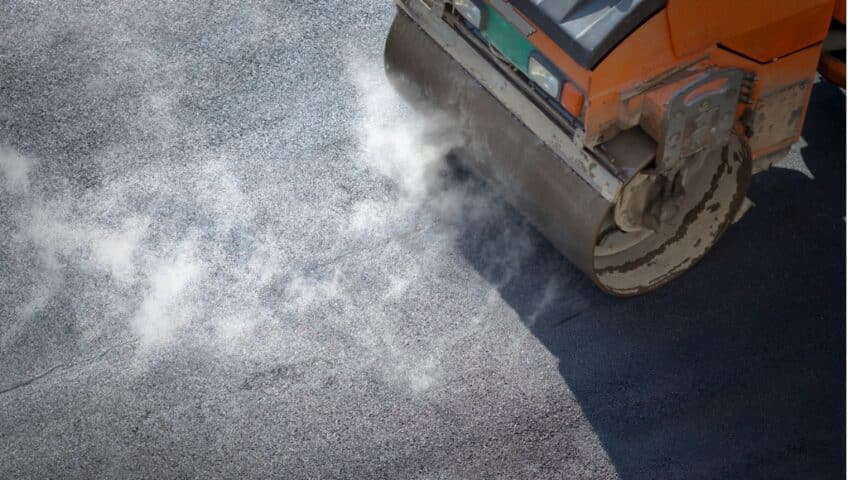
Hot-mix asphalt is probably the most commonly used asphalt for pavement on roads, runways, and parking lot repair. It must be heated to around 350F before being poured, but it cools quickly and needs little curing time before it can be driven on.

Advantages of Asphalt Pavement

A freshly laid parking lot or road looks divine. The smooth surface is easy to drive on, and splash from rainstorms is minimized, which increases safety. Smooth roads are more comfortable and easier on the vehicle by reducing the friction between tires and pavement.

Cars get better fuel economy on a smoother surface. Less accidents occur on smoother roads because of asphalt’s high skid resistance, and driver fatigue is reduced while control over the vehicle is increased. Asphalt is traveler-friendly, but there are numerous other benefits of asphalt paving when used in parking lots or other applications.

Asphalt Paving Is Cost-Effective

Asphalt roads can be built quickly, which reduces the taxpayer burden. There is less site preparation than concrete and the roads can be used almost immediately without any curing process. Concrete takes up to a week to cure. Asphalt roads can be paved one lane at a time, which minimizes disruption to traffic. Stores and businesses won’t have to be shut down from a lack of access. For smaller paving projects, asphalt is less disruptive and more affordable.

Asphalt Is Budget-Friendly

Asphalt itself is also less expensive than other materials. Because it’s faster to install, labor costs should be lower. Projects take less time, reducing the overall cost of the project, whether the project is big or small.

Although there are some maintenance costs after the asphalt pavement is installed, annually, there isn’t a huge investment to keep up with the project. Catching small problems early reduces the repair costs. Inspecting your parking lot at the beginning of each season can keep your parking lot looking its best.

Asphalt Pavement Is Eco-Friendly

According to NAPA, the asphalt industry has “an outstanding record of using sustainable practices.” Asphalt is 100% recyclable. When the asphalt pavement needs to be replaced, it can be scraped up and turned into a new asphalt pavement.

Many recyclable materials, such as tires or shingles, are repurposed into the base for asphalt, keeping these items out of landfills. Newer technologies are making asphalt easier to produce and even more sustainable. When your parking lot does need to be replaced, it can be recycled instead of placed in a local landfill.  

Asphalt Surfaces Are Safer for Pedestrians

Asphalt pavement isn’t only safer for drivers; pedestrians find it easy to walk on. The surface is smooth, but not so smooth that there isn’t traction. When installed correctly, asphalt drains well. 

The porous property of asphalt often lets rainwater or melted snow drain through the surface right back into the soil instead of pooling on the surface or being forced into storm drains. Because asphalt is dark, snow and ice can melt faster than on other surfaces, making it safer in the winter.

Asphalt Is Durable

Another benefit of asphalt is that it has a very long life. When properly installed and maintained, asphalt driveways or parking lots should last 20 to 30 years. Asphalt is flexible, so it can withstand the different weather conditions of the Midwest. It can even withstand occasional overloads from heavy-duty vehicles.

A sealcoating will extend the life of asphalt. Asphalt can also be repaired, even in colder months with a cold-mix asphalt that prevents more damage until the weather cooperates to pour hot-mix asphalt. This keeps your asphalt looking good, regardless of the season.  

Asphalt Can Handle the Cold Weather

In the winter, the freeze thaw cycle can wreak havoc on parking lots. Freezing temperatures cause the ground to expand. When the ground thaws, it contracts. This change day-in and day-out can cause concrete to crack, but the bitumen in asphalt has elasticity, which lets it stand up better to a wide range of temperatures in the winter. Asphalt can also stand up to road salts better than concrete.

Asphalt Is a Quiet Surface

Asphalt roads are quieter than other types of surfaces due to the decreased friction between the surface and tires. Asphalt roads reduce highway noise, which reduces the need for sound barriers. While this may not be a big consideration for parking lots or driveways, it is worthy to note that it can reduce outside noise.  

Asphalt Boosts Curb Appeal

The parking lot is often the first thing visitors see when they come to your business. New roads are immediately noticed in the community. Asphalt pavements increase the value of your home or business because the appearance of the project just looks awesome.

Wichita’s Number One Choice for High-Quality Asphalt Paving and Maintenance Services

Choosing the right asphalt contractor is crucial to getting all the benefits from asphalt. Laying a strong foundation for the asphalt is key to its durability and longevity. You’re making a big investment in your business or home, so you need a professional who understands asphalt from start to finish.

South Central Sealing & Paving has over 30 years in the industry. We know the weather and soil conditions that keep your parking lot or other asphalt project looking great all year long. Our team has the experience and resources to complete your project right the first time. We abide by all specifications and don’t cut corners. Request a free estimate.