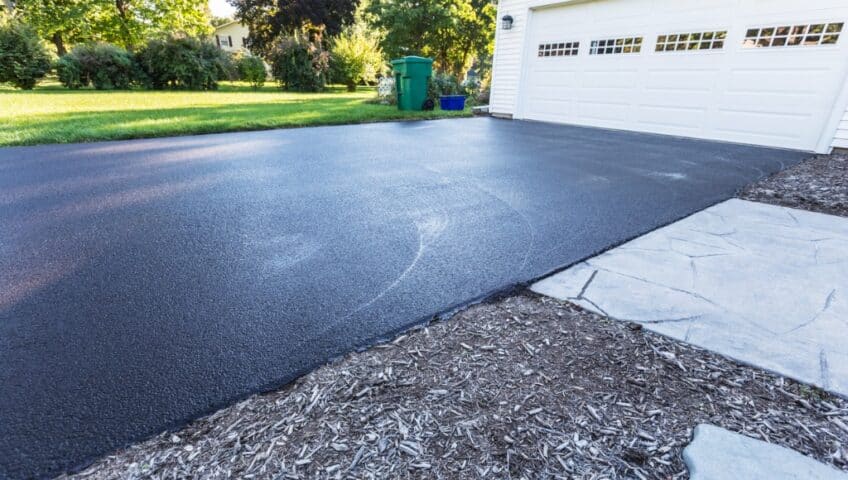
How to Maintain Your Asphalt Driveway

Your driveway is one of the first things that people notice about your home. It directly impacts your home’s curb appeal, whether you’re planning on selling or not. You want it to look its best and keep it safe for you, your family, and guests. Here are our best tips to making sure your asphalt driveway lasts a long time. 

Why Choose Asphalt For Driveways?

Asphalt is a popular material for driveways because it is affordable, strong, durable, and low maintenance. In the winter, asphalt absorbs the sun’s rays, which helps the snow and ice melt faster.

Asphalt is less likely to crack than concrete, which increases its longevity. Compared to concrete, asphalt is quicker and easier to install. You can use asphalt much quicker. Even though the asphalt takes about 6 months to cure, it is dry enough to be used in just 2 to 3 days. Asphalt is generally laid in warmer weather, but it can be repaired any time of the year. 

Why Does Asphalt Fail?

Knowing what causes asphalt to break down is one of the first steps toward good maintenance. Water is one of the biggest culprits, especially in winter. Ice and snow melt during the warmer temperatures of the day, then refreeze overnight. This can cause the base to break down or cause small cracks in the surface.

Heavy trucks on your driveway put stress on the driveway. Improper installation or using a subpar-quality asphalt can also cause your driveway to break down. Don’t wait to make repairs when you do see problems, because the issue is only going to get worse.

Proactive Maintenance For Your Driveway

It’s easy to get complacent about home maintenance, whether it’s the roof, plumbing, or your driveway repair. Fortunately, your asphalt driveway doesn’t require a lot of maintenance, but that doesn’t mean you should ignore it.

Regularly Inspect Your Driveway

At the beginning of every season, look for small cracks and minor imperfections that indicate the asphalt is breaking down. You will want to watch for potholes or surface raveling, which is when the surface starts to get rough and pitted.

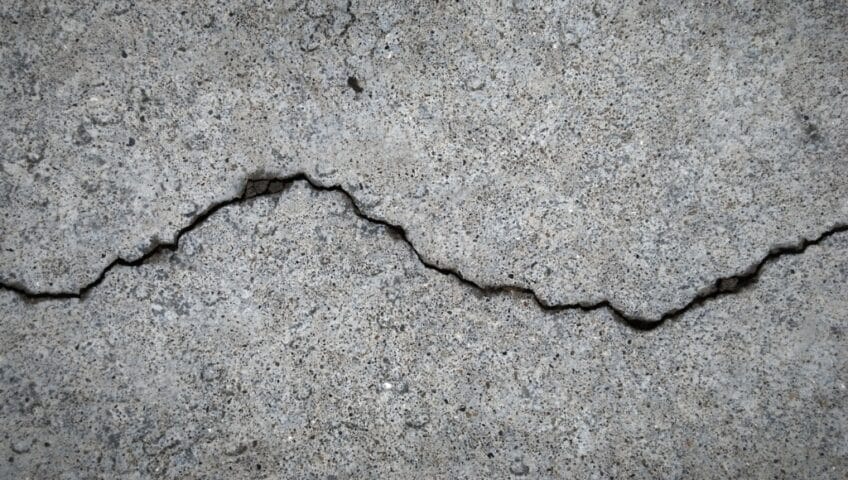
Alligatoring is an area of asphalt that has a lot of interconnected breaks. It occurs when the asphalt is subjected to a lot of stress in one place. It could be from heavy equipment, but it might also happen when you park in the same place over and over. Getting these small repairs handled quickly will prevent further damage and keep your asphalt looking good.

Keep Your Driveway Clean

If car fluids get on your driveway, clean them up right away. Oil and antifreeze/coolant can cause a stain and deterioration of the asphalt. Keep leaves and dirt off the driveway. Tree sap can also be problematic. We recommend hosing your driveway off each month. Also, avoid using salt or chemical based de-icing agents. Potassium chloride is safer for the asphalt.

Check the Drainage

Standing water is the enemy of asphalt. After a rain or when using your sprinklers, check the driveway for any pools of water. If you’re seeing puddles on the driveway, you may need to ask an asphalt contractor to check the drainage system to find solutions to keep your driveway from being damaged by water.

Remove Weeds Quickly

Weeds may push through the asphalt. Don’t just pull them up, but use an herbicide to kill the roots. If you don’t get the weed at the root, it will continue to grow and push up the asphalt, which will cause small cracks.

Repair Cracks in the Driveway

A crack in the asphalt doesn’t just look bad; it’s also a hazard. Small cracks weaken the strength of the asphalt. These small cracks can be sealed. Larger cracks can be filled and then sealed, but if those cracks are larger than one-eighth inch wide, they will need to be cleaned first.

Check the Edges of the Asphalt for Deterioration

One of the weakest parts of the driveway is the edges, especially if there is no frame. You should avoid driving on the edges of the driveway. Topsoil and grass can help keep the edges in place, but you don’t want topsoil right up to the same height as the driveway. Set the topsoil about an inch below the driveway so that you have good drainage.

Apply a Sealant to Protect Your Asphalt

Every two to four years, you should expect to reseal the asphalt to protect it against damage and stains. Once an asphalt driveway is installed, it needs about 6 months to cure, or completely dry, before you can apply a sealcoating.

A sealcoating prevents the asphalt from drying out, which is called oxidizing. Asphalt that oxidizes will become more brittle and more prone to cracks. A sealcoating can improve the longevity of your driveway by many years. Make sure to get a quality sealcoating material that will do the job you need it to.

Professional Asphalt Paving and Maintenance Services

A driveway should have a lifespan of 20 to 30 years, but this depends on how well it was installed and how well you take care of it over time. South Central Sealing & Paving has over 30 years of experience laying asphalt driveways and parking lots in the greater Kansas area.

We use high-quality supplies and products according to the manufacturer’s specifications. Our experts carefully design a driveway that fits your terrain, and we lay the foundation correctly to prevent water damage. The structure of your asphalt driveway is vital to its longevity.

You can always call us with any questions or concerns about your driveway. We’re happy to provide a free estimate for installation, maintenance, and repairs. Contact us to get more information!
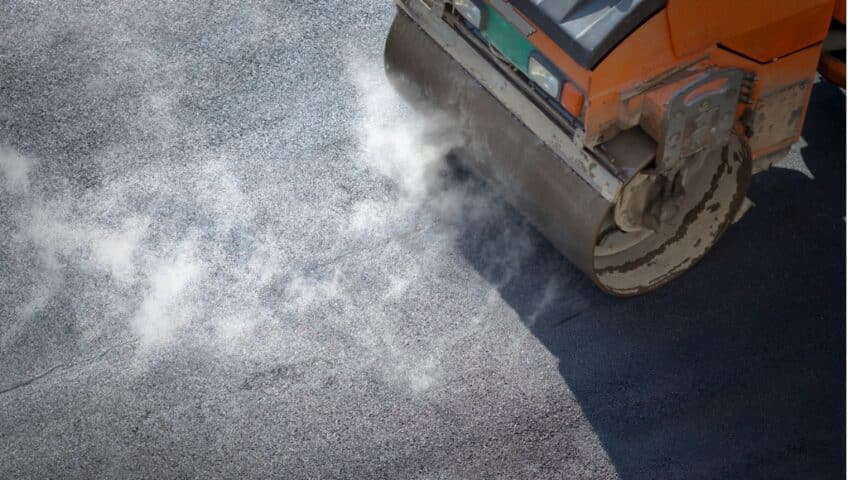
roller-compacting-asphalt

The Benefits of Asphalt and Why It Is the BEST Paving Material

According to the National Asphalt Pavement Association (NAPA), asphalt is the most popular road surfacing material. Over 94% of the nation’s 2.6 million paved roads are covered with asphalt. Commercial airports use asphalt for runways, parking lots are commonly surfaced with asphalt. What makes asphalt so popular? Learn more about the benefits of asphalt to understand why it’s the best paving material.

What Is Asphalt Pavement?

Asphalt pavement is a combination of stone (aka aggregate), sand, or gravel mixed with a liquid, or bitumen, the sticky black substance, that binds everything together. There are different types of asphalt, depending on the weight of the loads that will drive on the pavement and the weather conditions when it will be installed.

Hot-mix asphalt is probably the most commonly used asphalt for pavement on roads, runways, and parking lot repair. It must be heated to around 350F before being poured, but it cools quickly and needs little curing time before it can be driven on.

Advantages of Asphalt Pavement

A freshly laid parking lot or road looks divine. The smooth surface is easy to drive on, and splash from rainstorms is minimized, which increases safety. Smooth roads are more comfortable and easier on the vehicle by reducing the friction between tires and pavement.

Cars get better fuel economy on a smoother surface. Less accidents occur on smoother roads because of asphalt’s high skid resistance, and driver fatigue is reduced while control over the vehicle is increased. Asphalt is traveler-friendly, but there are numerous other benefits of asphalt paving when used in parking lots or other applications.

Asphalt Paving Is Cost-Effective

Asphalt roads can be built quickly, which reduces the taxpayer burden. There is less site preparation than concrete and the roads can be used almost immediately without any curing process. Concrete takes up to a week to cure. Asphalt roads can be paved one lane at a time, which minimizes disruption to traffic. Stores and businesses won’t have to be shut down from a lack of access. For smaller paving projects, asphalt is less disruptive and more affordable.

Asphalt Is Budget-Friendly

Asphalt itself is also less expensive than other materials. Because it’s faster to install, labor costs should be lower. Projects take less time, reducing the overall cost of the project, whether the project is big or small.

Although there are some maintenance costs after the asphalt pavement is installed, annually, there isn’t a huge investment to keep up with the project. Catching small problems early reduces the repair costs. Inspecting your parking lot at the beginning of each season can keep your parking lot looking its best.

Asphalt Pavement Is Eco-Friendly

According to NAPA, the asphalt industry has “an outstanding record of using sustainable practices.” Asphalt is 100% recyclable. When the asphalt pavement needs to be replaced, it can be scraped up and turned into a new asphalt pavement.

Many recyclable materials, such as tires or shingles, are repurposed into the base for asphalt, keeping these items out of landfills. Newer technologies are making asphalt easier to produce and even more sustainable. When your parking lot does need to be replaced, it can be recycled instead of placed in a local landfill.  

Asphalt Surfaces Are Safer for Pedestrians

Asphalt pavement isn’t only safer for drivers; pedestrians find it easy to walk on. The surface is smooth, but not so smooth that there isn’t traction. When installed correctly, asphalt drains well. 

The porous property of asphalt often lets rainwater or melted snow drain through the surface right back into the soil instead of pooling on the surface or being forced into storm drains. Because asphalt is dark, snow and ice can melt faster than on other surfaces, making it safer in the winter.

Asphalt Is Durable

Another benefit of asphalt is that it has a very long life. When properly installed and maintained, asphalt driveways or parking lots should last 20 to 30 years. Asphalt is flexible, so it can withstand the different weather conditions of the Midwest. It can even withstand occasional overloads from heavy-duty vehicles.

A sealcoating will extend the life of asphalt. Asphalt can also be repaired, even in colder months with a cold-mix asphalt that prevents more damage until the weather cooperates to pour hot-mix asphalt. This keeps your asphalt looking good, regardless of the season.  

Asphalt Can Handle the Cold Weather

In the winter, the freeze thaw cycle can wreak havoc on parking lots. Freezing temperatures cause the ground to expand. When the ground thaws, it contracts. This change day-in and day-out can cause concrete to crack, but the bitumen in asphalt has elasticity, which lets it stand up better to a wide range of temperatures in the winter. Asphalt can also stand up to road salts better than concrete.

Asphalt Is a Quiet Surface

Asphalt roads are quieter than other types of surfaces due to the decreased friction between the surface and tires. Asphalt roads reduce highway noise, which reduces the need for sound barriers. While this may not be a big consideration for parking lots or driveways, it is worthy to note that it can reduce outside noise.  

Asphalt Boosts Curb Appeal

The parking lot is often the first thing visitors see when they come to your business. New roads are immediately noticed in the community. Asphalt pavements increase the value of your home or business because the appearance of the project just looks awesome.

Wichita’s Number One Choice for High-Quality Asphalt Paving and Maintenance Services

Choosing the right asphalt contractor is crucial to getting all the benefits from asphalt. Laying a strong foundation for the asphalt is key to its durability and longevity. You’re making a big investment in your business or home, so you need a professional who understands asphalt from start to finish.

South Central Sealing & Paving has over 30 years in the industry. We know the weather and soil conditions that keep your parking lot or other asphalt project looking great all year long. Our team has the experience and resources to complete your project right the first time. We abide by all specifications and don’t cut corners. Request a free estimate.

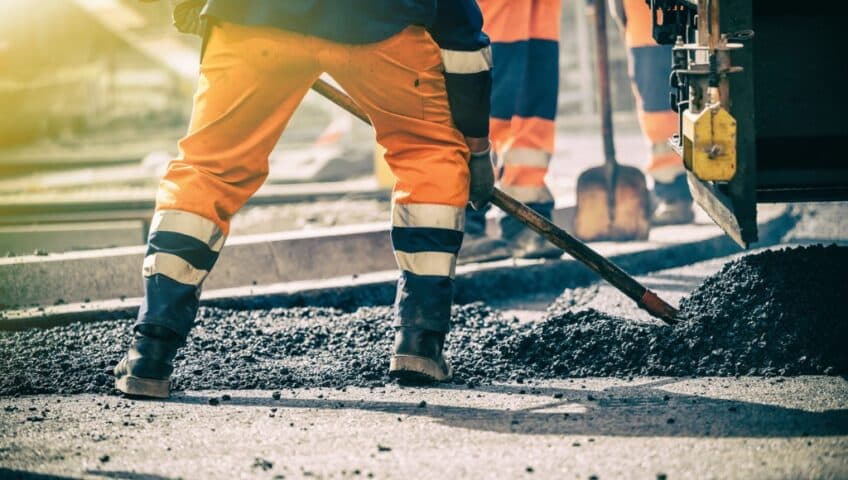
road-construction-workers

11 Questions to Ask an Asphalt Contractor Before You Hire Them

Asphalt replacement or repair are not good DIY projects. You want a professional asphalt paving contractor who can oversee the job from start to finish and ensure your asphalt surface is not only safe and durable but also visually appealing. For example, the state of your business’s parking lot makes an important first impression on clients and customers, so you also want to make sure yours looks great.

But there are dozens of asphalt contractors around, so how do you find one that is reputable and one that you can trust? Here are a few questions to ask your contractor to find out how they do business.

How Many Years Have You Been In Business?

The number of years an asphalt company has been around can tell you a lot. First, it can demonstrate experience in the industry. Obviously, you want someone with experience to handle your project.

The years in business can also tell you something about the company’s reputation: businesses with longevity are going to be around to handle any problems that arise after the work is done. For the record, South Central Sealing & Paving has put more than 30 years of high-quality work into the paving service industry and community.

What Insurance and Licensures Do You Have?

Insurance and business licenses show a business’s legitimacy. Checking these items before you have any work done gives you peace of mind. You don’t want to be on the hook if one of the company’s workers gets injured on the job on your property, right? So it’s important to know that you can ask to see proper paperwork to make sure that they are properly licensed and insured. A legitimate business won’t have any problem supplying you with documentation.

Do You Have Referrals That I Can Speak To?

While you should check online reviews before hiring an asphalt contractor, you should also check out some of the actual projects the contractor has worked on in the community. Ask to talk to the client, too. Good contractors will have plenty of local references. When you speak to the reference, ask what they liked and didn’t like about the company. This will give you more information about what kind of work you can expect.

Do You Do Residential or Commercial Projects?

Installing a driveway is much different than installing a parking lot. Asphalt contractors may specialize in one type of project, or they may have different teams with different types of experience. Make sure your contractor regularly handles the type of project you’re asking for.

What Do I Need To Know About Permits?

Some jobs may not require a permit, while others might. It depends on the scope of the project and your local regulations. Find out if the contractor takes care of any permits needed or if it is up to you.

How Much Will My Project Cost?

Any good contractor will provide you with a written quote that outlines what all needs to be done and the cost of the work. South Central Sealing & Paving offers a free estimate that details all the work we will need to perform, from laying the foundation to sealing the pavement to painting stripes. We refuse to cut corners, and we’ll make sure your asphalt or concrete lasts for a long time, even under the worst conditions Mother Nature can throw at it.

How Long Will My Asphalt Project Take?

As part of the estimate, your contractor should include details on the time frame of your project. This should include a time frame for how long people should avoid walking or driving on your asphalt. You need this information to know how to manage your business during the inconvenience. Keep in mind that when it’s warmer, asphalt cures faster. The same job may not take as long in the summer as it might in later fall.

Who Will Be Doing the Work?

You should know who you’ll be dealing with on a daily basis while the project is being done. Ask whether the supervisor will be on site or just stopping by throughout the day. Find out if the crew are employees or subcontractors. If they’re sub-contracting, ask whether their insurance covers the crew. Will the same crew be on site each day?

Are There Any Potential Problems That Could Increase the Cost?

Sometimes, contractors can’t know about problems until they start tearing up the old asphalt. You want to know if there is anything that could cause the projected cost to increase. You may also want to ask about any hidden fees that might not be included in the estimate.

Of course, a disreputable contractor won’t tell you about those, but you can listen for how the contractor addresses this item and feel comfortable or not with their explanation. Reputable contractors will add these things to the estimate in some way or include a clause that details how they handle these situations.

How Is Clean-Up Handled?

After any job, there’s always little things left over. It might be equipment and product, which the contractor obviously should take care of. Or it might be little things, like the sealant that gets on the edge of the grass. This is completely normal. It doesn’t damage the grass, but it might look a little weird until it disappears. Your contractor should be upfront about all these details so you know what to expect.

How Long Should My Asphalt Last and How Do I Maintain It?

A properly installed and sealed asphalt surface should last 20 to 30 years, but this depends on how well you maintain it. You should have your asphalt sealed every three to five years. Potholes and cracks need to be fixed regularly, not only for aesthetics but for safety as well. If your asphalt surface has standing water that isn’t draining, that can indicate a bigger problem and may need to be remediated.

South Central Sealing & Paving specializes in asphalt replacement, repair, and maintenance. We have the experience to make sure your business is safe and looks great for your customers. Contact us for a free estimate whether you need a complete installation, some light repairs, or a sealing job to make your asphalt ready for business.

road

How Is Asphalt Made?

Asphalt is a part of nearly everyone’s day-to-day lives. From the roads we drive on, the sidewalks we walk on, and the highways we use to commute to and from work, asphalt can be found everywhere.

Not only is asphalt one of the most commonly used pavement materials, but it’s also highly durable, easy to repair, and can be recycled to be used for various other pavement and construction projects. But have you ever wondered about the process of how asphalt is made?

In this article, we’ll examine how asphalt is made, the manufacturing process used to create asphalt, and the various types of asphalt that can be used for a wide range of needs.

Continue reading below to learn everything you need to know about asphalt and discover why South Central Sealing & Paving is Wichita’s preferred choice for high-quality asphalt maintenance services.

The Asphalt Manufacturing Process

Asphalt is a long-lasting paving mixture made of aggregates, hydrated lime, binders, fillers, and many layers of unbound and bituminous-bound materials used to bind aggregate together. The black, sticky, semi-solid petroleum product provides a smooth, long-lasting surface for driveways, sidewalks, tennis courts, playgrounds, airport runways, and parking lots.

Although asphalt pavement is typically made up of 5% asphalt cement and 95% aggregate, many manufacturers add additives and polymers to the mixture to create a stronger bond and greater flexibility. Additionally, the ingredients used to produce asphalt may vary slightly depending on the location where the asphalt will be placed.

Despite its widespread use, most people are unaware of how asphalt is made. Let’s take a closer look at the properties of asphalt and its manufacturing process.

Distillation

The asphalt manufacturing process begins with rapidly heating crude oil for distillation. Once heated, the crude oil is transferred to a distillation container, where a series of condensing and cooling mechanisms separate the more volatile and lighter-weight components called fractions.

The crude is subsequently separated to produce gasoline, diesel fuel, kerosene, and other petroleum products. Any remaining deposit from the distillation process is used as “topping” crude, which is utilized to make heating oil or other products, such as asphalt.

Cut Back

Asphalt can be “cut back” using a volatile ingredient to produce a more flexible product at lower temperatures than regular asphalt. When cut-back asphalt is used for paving or construction, the volatile element evaporates when exposed to air or heat, leaving only the solid asphalt.

Emulsifying

Asphalt can also be emulsified to produce a liquid that can be readily pumped via pipes, mixed with aggregate, or sprayed through nozzles. During this process, asphalt is ground into globules 5 to 10 microns in size and mixed with water. After that, an emulsifying agent is added to reduce the tendency of the asphalt and water to separate.

Pulverizing

Hardened asphalt is occasionally crushed to make powdered asphalt, and the asphalt is pulverized and then passed through a series of sieves to produce granules of uniform size. Powered asphalt is typically mixed with oil and aggregate. Heat and pressure are also used to combine the powder, aggregate, and oil to gradually harden the mixture to a cement-like consistency.

Air Blowing

During the air-blowing process, asphalt is heated to 500° Fahrenheit, and air bubbles are blasted into the liquid for several hours to produce a substance that softens at a higher temperature than what is used for asphalt paving. As a result, when cooled, the asphalt remains liquid.

Asphalt Quality Control

Due to the various oil resources and refining technologies used to produce crude oils with significantly varying properties, crude petroleum oil’s inherent qualities significantly impact the quality of asphalt cement. As a result, three crucial aspects must be considered when using asphalt for construction purposes to ensure the highest quality asphalt surface.

Consistency

Asphalt’s consistency or viscosity changes with temperature, and asphalt is graded based on consistency ranges at a standard temperature. As a result, a standardized viscosity or penetration test is commonly used to measure the consistency of paving asphalt.

Purity

As it leaves the refinery, asphalt cement must be free of water or moisture. Thus, asphalt’s purity must be evaluated to measure its ability to be pulled, dragged, or distorted. A conventional asphalt cement briquette formed under standard conditions and dimensions is pulled at a normal temperature until it breaks under stress to determine elasticity.

Safety

While asphalt is moisture-free after production, a delivery vehicle’s holding tank may contain trace amounts of water. When heated over 212° Fahrenheit, the moisture in the asphalt may cause it to foam, posing a safety issue. In the event of a spark or flame, the foam will emit fumes that can flash or ignite all at once.

The Various Types of Asphalt

Because of the various applications of asphalt, the mixture must have sufficient stiffness and deformation resistance to cope with each application’s applied pressure. Things, such as the amount of traffic, the number of heavy vehicles, environmental temperature, and weather conditions, must be taken into consideration to ensure the asphalt can withstand the varying pressures exerted on the surface.

Asphalt mixtures are classified into three types: warm, hot, and cold. The various types of asphalt can be manufactured to create even more distinct combinations to better fit the objectives of a project’s end goal.

Hot Mix Asphalt (HMA)

Hot mix asphalt, or HMA, refers to asphalt mixtures that are heated and poured at temperatures ranging from 300° to 350° Fahrenheit. Due to its flexibility, weather resistance, and ability to repel water, this type of asphalt is the most commonly utilized in the United States for highways, interstates, and roads.

Cold Mix Asphalt (CMA)

Cold mix asphalt is produced without heating the aggregate, resulting in a lower production cost, and it is typically recommended for less frequently used roads. CMA relies on bitumen emulsified in water that breaks down either during compaction or mixing, producing the aggregate coating. The water then evaporates, and the asphalt’s strength increases during the curing time.

Warm Mix Asphalt (WMA)

Warm mix asphalt is produced without heating the aggregate, resulting in a lower production cost, and it is typically recommended for less frequently used roads. WMA relies on bitumen emulsified in water that breaks down either during compaction or mixing, producing the aggregate coating. The water then evaporates, and the asphalt’s strength increases during the curing time.

Wichita’s Number One Choice for High-Quality Asphalt Paving and Maintenance Services

Asphalt is one of the oldest engineering materials known to man, dating back to 2600 B.C. Because of its strength, durability, and low cost, asphalt is one of the most frequently used materials to construct everything from irrigation systems to highways. Although asphalt manufacturing is a complex and precise process, it can last for decades if professionally installed and properly maintained.

Are you getting ready to start a new project and want to work with a team of asphalt experts? Look no further than South Central Sealing & Paving.

At South Central Sealing & Paving, we aim to ensure your asphalt surface is built to last. With over 30 years of experience, cutting-edge equipment, and extensive industry knowledge, we’re proud to offer our Wichita customers a wide range of asphalt paving and maintenance services.

From sealcoating and slurry sealing to pothole repair, crack, and joint sealing, our asphalt experts know what it takes to deliver high-quality solutions on time and within budget.

We’re honored to be Wichita’s number one asphalt paving and maintenance company, and we can’t wait to learn more about how we can assist you. Contact us today to learn more about our extensive services and speak with one of our experts about how we can help you.

slurry-sealing

Microsurfacing vs Slurry Sealing: What’s the Difference?

As a business owner or building manager, you understand how critical it is to stay ahead of the curve when it comes to pavement maintenance. Not only does it play a crucial role in preventing your pavement from deteriorating to the point where major reconstruction is required, but it also ensures the exterior of your business remains aesthetically pleasing for your visitors.

As asphalt ages and deteriorates, the treatment changes, resulting in higher treatment and repair costs. Luckily, microsurfacing and slurry sealing are pavement resurfacing techniques that can extend the life of your asphalt without breaking your budget. In this article, we’ll discuss some of the differences between microsurfacing and slurry sealing and examine the various advantages that each resurfacing option provides.

Keep reading to learn more and find out why South Central Sealing & Paving is Wichita’s top choice for high-quality asphalt maintenance services.

What Is Slurry Sealing?

Slurry sealing is a surface treatment application that is a mixture of water, asphalt emulsion, aggregate, and chemical additives. Per its name, slurry refers to the combined mixture of the emulsion and aggregates, while the “seal” refers to the application of this mixture to existing pavement, which is intended to seal the pavement surface.

Slurry seals are classified into three types.

Type I: Fine aggregates with diameters less than 2.36mm, commonly used in low-traffic areas, such as bicycle paths and walkways.

Type II: Aggregate particles with maximum diameters of 6.4mm, often used to repair raveling and other more advanced states of wear commonly found on residential roadways.

Type III: Coarse aggregate chunks, commonly used on roadways with high traffic volume, such as highways, to compensate for more severe surface imperfections, fill surface depressions, and reduce the amount of water ponding.

Slurry sealing applications are designed to seal cracks, correct minor flaws, restore lost flexibility to the surface, and provide a deep, rich black pavement color while preserving the appearance of the existing pavement. It is most commonly used on surfaces that are in poor condition, as it can help to extend the life of the surface and improve its appearance.

Slurry sealing is typically applied on an intermittent or cyclical basis, and surfaces selected for slurry seal applications have low to moderate distress and narrow crack width. As a result, slurry sealing is most commonly used on residential streets, and cyclical applications would be applied every five to seven years.

While the application technique is similar to microsurfacing, slurry sealing is applied in a single layer that is typically 12 to 14 inches thick. Although slurry sealing has no structural benefit for the pavement, it is a very cost-effective treatment option, making it an excellent choice for low-budget projects.

What Is Microsurfacing?

Microsurfacing, like slurry sealing, is a slurry mixture of emulsified asphalt, water, fine aggregate, and mineral filler. However, unlike slurry sealing, microsurfacing typically uses a polymer-modified asphalt emulsion, which improves mixture properties and provides greater flexibility than a traditional asphalt binder.

While it is primarily used to reduce raveling and oxidation on asphalt pavement surfaces, microsurfacing also improves friction and appearance on both asphalt and concrete surfaces. Microsurfacing with larger aggregate can also be used for filling shallow to moderate depth ruts in asphalt pavement and sealing low-severity cracks. 

Microsurfacing is commonly used on an as-needed, project-specific basis to preserve and protect the underlying pavement structure while providing a new surface. Location, weather, traffic, and surface conditions are all considered when deciding whether or not to use microsurfacing.

In most instances, surfaces chosen for microsurfacing treatment have mild to moderate distress, no rutting, and generally narrow crack widths. As a result, microsurfacing is typically used on high traffic volume roadways and is often suggested to be treated every five to seven years.

What Are the Major Differences Between Microsurfacing and Slurry Sealing?

Microsurfacing and slurry sealing are both excellent options for keeping your asphalt surface in the best condition possible. However, the primary distinction between the two surface treatment options is that microsurfacing is a preventative measure that will help delay the need for a complete replacement, whereas slurry sealing is more reactive and will help repair any damage that has already been done.

While slurry sealing relies heavily upon the sun and low humidity to evaporate the water in the emulsion, the asphalt emulsion used in microsurfacing contains chemical additives that force water out, allowing it to break without requiring low humidity or evaporation from the sun and heat.

Microsurfacing is quicker than slurry sealing, which means it can be used when conditions would not allow slurry sealing to be placed successfully. Furthermore, the polymers used in microsurfacing make it exceptionally good at resisting power steering tears and shedding the small aggregate.

What Are the Advantages of Microsurfacing and Slurry Sealing?

Slurry sealing and microsurfacing are cost-effective surface treatment options suitable for various asphalt pavement types experiencing various levels of damage. However, choosing the best choice for your needs can help you save time, money, and stress in the long run.

Let’s look at some of the benefits of microsurfacing and slurry sealing.

Slurry Sealing

Cost-Effective: Slurry sealing is inexpensive to install and extremely cost-effective to use.

Aesthetic Value: Slurry sealing gives a new wearing surface of uniform black color or texture, increasing property value and marketing potential and giving it an eye-catching appearance.

Variety of Uses: With a single application, slurry sealing can correct existing distress in various surfaces and provide an all-weather, long-lasting surface.

Microsurfacing

Easy to Apply: Due to the thin depth of microsurfacing, no milling or extensive utility adjustments are required, thereby lowering costs even further.

Environmentally Friendly: When compared to traditional resurfacing methods, microsurfacing reduces greenhouse gas emissions by roughly 44%, energy consumption by nearly 54%, and raw material by 35% or more.

Increases Asphalt Lifespan: When compared to traditional resurfacing methods, microsurfacing can add between 6 to 8 years of life to your asphalt’s surface.

Choose South Central for the Best Asphalt Sealing and Repair Services in Wichita

When looking for cost-effective ways to maintain your asphalt pavement, resurfacing is critical to extending its overall lifespan. As a result, understanding your options can help you make the best decision for your business. If your asphalt needs professional attention, South Central Sealing & Paving should be your first choice.

At South Central Sealing & Paving, we’re proud to offer a wide range of asphalt maintenance services, including slurry sealing and sealcoating, pothole repair, and more. We deliver high-quality solutions that our customers can afford, and we adhere to strict manufacturer specifications to ensure a longer-lasting final product.

For more than 30 years, we’ve been Wichita’s number one choice for professional asphalt repair and maintenance, and we can’t wait to learn more about how we can assist you.

If you would like to learn more about our extensive asphalt maintenance services and speak with one of our specialists, give us a call at (316) 613-0192.

parking-lot

5 Preventative Parking Lot Maintenance Tips

As a business owner or building manager, being aware of your parking lot’s overall condition is crucial. After all, the parking space is often the first thing customers or potential tenants notice when they visit your business and can make a significant impression before they even enter the building.

Although parking lots are resilient, things like severe weather, extreme sunlight, and heavy traffic can cause your parking lot to degrade much more quickly. While asphalt damage is inevitable, there are several ways you can make your parking area look fresh again with a few preventative maintenance tips.

This article will discuss the importance of parking lot maintenance and give you five effective preventative parking lot maintenance tips to help you get the most out of your pavement. Continue reading below to learn more and discover why South Central Sealing & Paving is the number one choice for high-quality asphalt maintenance services in Wichita.

The Importance of Parking Lot Maintenance

Regular maintenance is integral to facility management and should be treated as such. While the estimated lifespan of an asphalt parking lot is roughly 15 to 20 years, several variables can affect when a parking lot may need maintenance.

Rain, snow, ice, heat, chemicals, oils, and heavy traffic can all be detrimental to asphalt’s durability over time. As a result, asphalt’s durability is compromised by the disproportionate amount of repeated stress.

These maintenance tasks include a variety of repairs and treatments intended to extend the pavement’s lifespan. Whether your parking lot is experiencing cracking or crumbling, or you’re beginning to notice pothole formations, it is a viable option for most physical assets and infrastructure over the long term for many businesses.

5 Preventative Maintenance Tips for Maintaining Your Parking Lot

Improving customer and employee experiences should always be a top priority. As a result, a well-kept parking lot is essential for all businesses. To mitigate natural wear and tear, it’s crucial that property managers and business owners make parking lot maintenance a top priority.

Developing strategic maintenance procedures is one of the best ways facility managers can keep their parking lots in the best condition possible and ensure their maximum service life. Here are five preventative parking lot maintenance tips to keep your parking lot in the best condition possible:

Perform Routine Inspections

Problems in your parking lot can develop rapidly. Once a month, consider walking through your parking lot to conduct a visual inspection and make a note of any areas that are potential trouble areas.

When inspecting your parking lot, look for potential issues such as developing cracks, standing water, and hazardous oil or gasoline pools. These issues require immediate attention to avoid greater problems in the future.

Clean Regularly

Regular cleaning is one of the easiest ways to preserve the value of your asphalt parking lot. Regular cleaning not only increases the longevity of your parking lot but will also assist in removing the buildup of dirt, debris, or contaminants that can accelerate asphalt deterioration.

If you have waste collection bins in your parking lot, it’s essential that you regularly inspect these areas and instruct employees to keep the area clean. You may also want to consider power washing your parking lot a few times throughout the year to remove any harsh, hard-to-remove chemicals or oil spills that may come into contact with the asphalt.

Ensure Proper Drainage

Ensuring your parking lot has adequate drainage is another critical maintenance component. Standing water can cause several problems in your parking lot, such as shortening the pavement’s lifespan, increasing the risk of trips and falls, fostering unsanitary conditions, and damaging vehicles and surrounding infrastructure.

Ensure your parking lot has proper drainage capable of dealing with the amount of water that occurs during heavy rains or snowfalls. Installing a drainage system is another alternative to help avoid long-term problems and save money on costly maintenance and repairs.

Repair Cracks and Potholes

While cracks will inevitably appear due to weather conditions, heavy traffic, and aging, they should be addressed as soon as possible. During the colder months, freeze-thaw cycles will cause the water in cracks to freeze and expand, resulting in exponentially larger cracks.

As asphalt ages, it naturally cracks and may develop low spots or potholes requiring patching. If you notice cracks starting to develop in your parking lot, consider having patchwork or repair work performed by a professional asphalt maintenance expert. The combination of services provides a coordinated approach to resolving problems in your parking lot.

Invest in Sealcoating and Slurry Sealing

Lastly, but most importantly, sealcoating and slurry sealing are two of the most essential aspects of parking lot maintenance. These high-quality sealants create an additional layer of protection that can reduce the effects of water, ultraviolet rays, and other risk factors on asphalt, significantly improving the longevity of your parking lot.

Sealcoating involves applying a protective layer to an asphalt surface to keep it waterproof and protect it from damage caused by weather, oxidation, and normal wear and tear. There are two common types of sealcoat: coal tar sealcoat and asphalt emulsion sealcoat, and both options provide a great way to repair surface damage and extend the life of asphalt pavement.

Alternatively, slurry sealing is a process that uses asphalt emulsion, water, aggregate, mineral filler, and other additives that resurfaces an asphalt pavement that has begun to show signs of deterioration. Slurry sealing not only helps to create a safer driving surface but also improves your parking lot‘s aesthetics and extends your asphalt’s lifespan. Slurry sealing is also less susceptible to cracking and can help prevent gas and oil penetration problems.

Trust the Asphalt Maintenance Experts at South Central Sealing & Paving

Regardless of the business you own or the building you manage, the condition of your parking lot plays a vital role in the impression you make on your customers, employees, and visitors. Fortunately, investing the necessary resources and following some of the tips provided in this article can help you preserve your asphalt parking lot and postpone or avoid expensive, time-consuming repairs in the future and preserve the longevity of your asphalt.

If your parking lot is beginning to show signs of needing professional attention and you need a team of asphalt maintenance professionals you can trust, make South Central Sealing & Paving your first call.

At South Central Sealing & Paving, our number one goal is to extend the lifespan of your parking lot. With more than 30 years of experience, we’re proud to offer a wide range of asphalt maintenance services for our Wichita customers. Whether you need crack and joint filling, sealcoating, slurry sealing, pothole repair, or something different, our team of experts uses state-of-the-art equipment to ensure your parking lot looks great and lasts longer.

We’re proud to be Wichita’s number one asphalt maintenance company, and we can’t wait to learn more about how we can help you. Give South Central Sealing & Paving a call today to learn more about our wide range of asphalt maintenance services and speak with one of our experts about which option is right for you.

cracked-asphalt

Slurry Seal vs. Seal Coat: What’s the Difference?

Asphalt is a highly durable paving material with a lifespan of roughly twenty years or more. Despite its inherent strength and stability, asphalt is susceptible to damage if not adequately protected. In fact, extensive water and UV exposure can cause the surface to oxidize, making it more prone to structural issues.


When it comes to repairing your commercial parking lot, it’s essential to know your sealing options and the differences between slurry seal and seal coat. While slurry and seal coat are preventative maintenance solutions that help your asphalt last longer, there are several key differences to be aware of.


While any professional contractor should be able to explain the advantages of both, this article will lay out some of the fundamental differences between a slurry seal and seal coat and the benefits of each to help you make the best decision for your property. Continue reading below to learn more and find out why South Central Sealing & Paving is Wichita’s number one choice for high-quality asphalt maintenance services.

The Differences Between Slurry Seal and Seal Coat

The two main components of any asphalt surface are crushed gravel aggregate and a sticky asphalt binder made from petroleum derivatives. When heated, the asphalt binder becomes semi-fluid, making it easier to spread. However, as the paving cures, the binder thickens, effectively locking the aggregate chunks into a stable matrix.


Even though asphalt binder continues to evolve, oxidation caused by environmental exposure weakens the binder, making it more prone to damage. As a result, the asphalt loses much of its water resistance resulting in cracks, potholes, raveling, and shoving beginning to show.


However, preventative maintenance solutions such as slurry seals and seal coat are designed to protect the asphalt by applying a protective layer of material to the surface. These solutions make the asphalt more waterproof and protect it from harmful environmental factors.


So, what’s the difference between slurry seal and seal coat? Let’s take a closer look.

What Is Seal Coat?

Seal coating is a preventive maintenance solution that involves applying a protective layer of material to an asphalt pavement surface to keep it waterproof and protect it against damage caused by weather, oxidation, and normal wear and tear.


Seal coat also keeps vehicle fluids from entering and damaging the pavement’s interior structure and improves the aesthetics of asphalt by restoring its lustrous black appearance. As a result, seal coat is one of the most commonly available asphalt-protection methods for commercial properties looking to revitalize their asphalt surfaces.


There are two common types of seal coat: those made from coal tar and those made from asphalt emulsion.


Most contractors prefer to use coal tar seal coat, as it produces more consistent results than seal coat produced from asphalt emulsion, which often varies. Although, the low cost and availability of asphalt emulsion seal coat are quickly making it the most popular selection. However, many manufacturers have started offering blended seal coat solutions containing varying proportions of coal tar and asphalt emulsion.


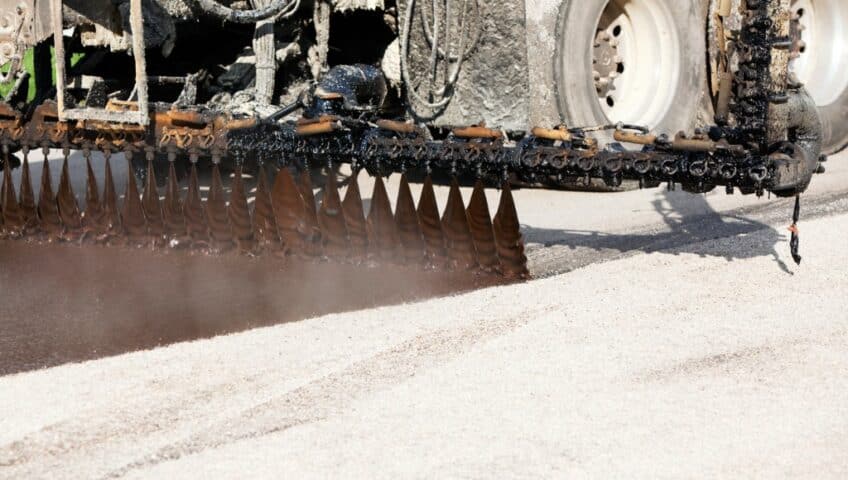
Seal coat can be applied by hand or with truck-mounted pressurized sprayers, depending on the size of the asphalt surface being treated. The surface must first be thoroughly cleaned to remove all traces of dirt, oil, and debris, as foreign substances will significantly reduce the seal coat’s ability to bind with the asphalt.


After applying seal coat, it should not be used for 24 to 48 hours, depending on environmental factors such as temperature and humidity. This waiting period allows water in the seal coat to evaporate, leaving a sealer film behind.


Curing time can range from several hours to several days, depending on environmental factors such as temperature and humidity. As a result, many contractors recommend applying seal coat during warmer, drier months for optimal curing rates and reapplying the solution every 2 to 3 years.

What Is Slurry Seal?

Slurry seal is a process of using asphalt emulsion, water, aggregate, mineral filler, and other additives to create a preventive maintenance solution that resurfaces an existing asphalt pavement that has begun to show signs of aging. Slurry seal is an excellent commercial-grade treatment alternative for asphalt with minor cracking. It fills in and conceals the cracks and is commonly used on city streets, parking lots, and industrial parks.


Slurry seal coatings are applied with a specialized slurry truck that mixes all of the components before spreading them over the road or parking lot surface. To keep costs low, slurry seal is typically recycled from old roads or parking lots and mixed with clean water before reapplying.


Slurry-sealed asphalt surfaces have a rich black color and a durable, slip-resistant surface that protects the underlying asphalt. Slurry seal also fills cracks and restores lost flexibility.


When you use a slurry seal on your parking lot, you can get a better aesthetic, a safer driving surface, and a longer lifespan out of your asphalt. Slurry surfaces are also simple to maintain and less prone to cracking due to freeze-thaw cycles. And on top of that, they won’t present many issues with gas and oil penetration as a result of leaks, so your business’s exterior will look aesthetically pleasing.


Slurry seals are classified into three types based on the size of the aggregate they contain:


Type I: Fine aggregates with diameters less than 2.36mm, commonly used in low-traffic areas such as parking lots.
Type II: Aggregate particles with maximum diameters of 6.4mm, often used to repair raveling and other more advanced states of wear commonly found on busy roadways.
Type III: Coarse aggregate chunks, commonly used to compensate for more severe surface imperfections, can also fill surface depressions, reducing the amount of water ponding.


Contractors typically avoid using Type II slurry seals on parking lots because the larger aggregate pieces can cause tire scuffing as cars enter and exit spaces.

Which Is Better: Seal Coat or Slurry Seal?

While slurry seal and seal coat are very similar, causing some paving contractors to interchange the two terms, there is one compositional difference between the two types of protective coatings.
Unlike seal coat, slurry seal has one additional ingredient: aggregate.


As the binder in asphalt deteriorates, chunks of aggregate are frequently stripped from the surface. Such areas of loss cannot be compensated for by a seal coat, which can often cause small depressions to remain on the asphalt surface, providing a place for water to pool and cause havoc.


The aggregate found in slurry seal helps to fill in those small cracks and gaps and promote a more even asphalt surface while improving overall adhesion and integration with the existing pavement. As a result, slurry seals typically outlast seal coating. Whereas contractors recommend applying seal coat to asphalt every two years, slurry seals only need to be applied every five to seven years.


Because of these reasons, South Central Sealing & Paving recommends slurry sealing over seal coating.

Choose South Central Sealing & Paving for High-Quality Asphalt Maintenance Services

When your asphalt surface needs restoration, it’s crucial that your contractor takes into account the type of asphalt being treated, its overall condition, and the general traffic flow and type of traffic your asphalt receives.


Regardless of the solution you choose, either option will need to be reapplied multiple times in the future. Still, maintenance is easier and less demanding when done correctly the first time by a team of professionals.


South Central Sealing & Paving is proud to be Wichita’s #1 asphalt parking lot sealing and repair company. With more than 30 years of expertise, our team of asphalt maintenance experts understands what it takes to deliver high-quality solutions on time, within budget, and with minimal disruption to your business.


We proudly specialize in a wide variety of asphalt maintenance services, such as crack and joint sealing, slurry sealing, pothole repair, and more, and abide by strict manufacturer specifications to ensure a final product that lasts longer.


Contact the asphalt maintenance experts at South Central Sealing & Paving today to learn more about which type of seal is best for your asphalt and how our asphalt paving and parking lot maintenance services can assist you.